Posted on Leave a comment

OpenAI Agents vs Agents24x7: AI Employees Compared

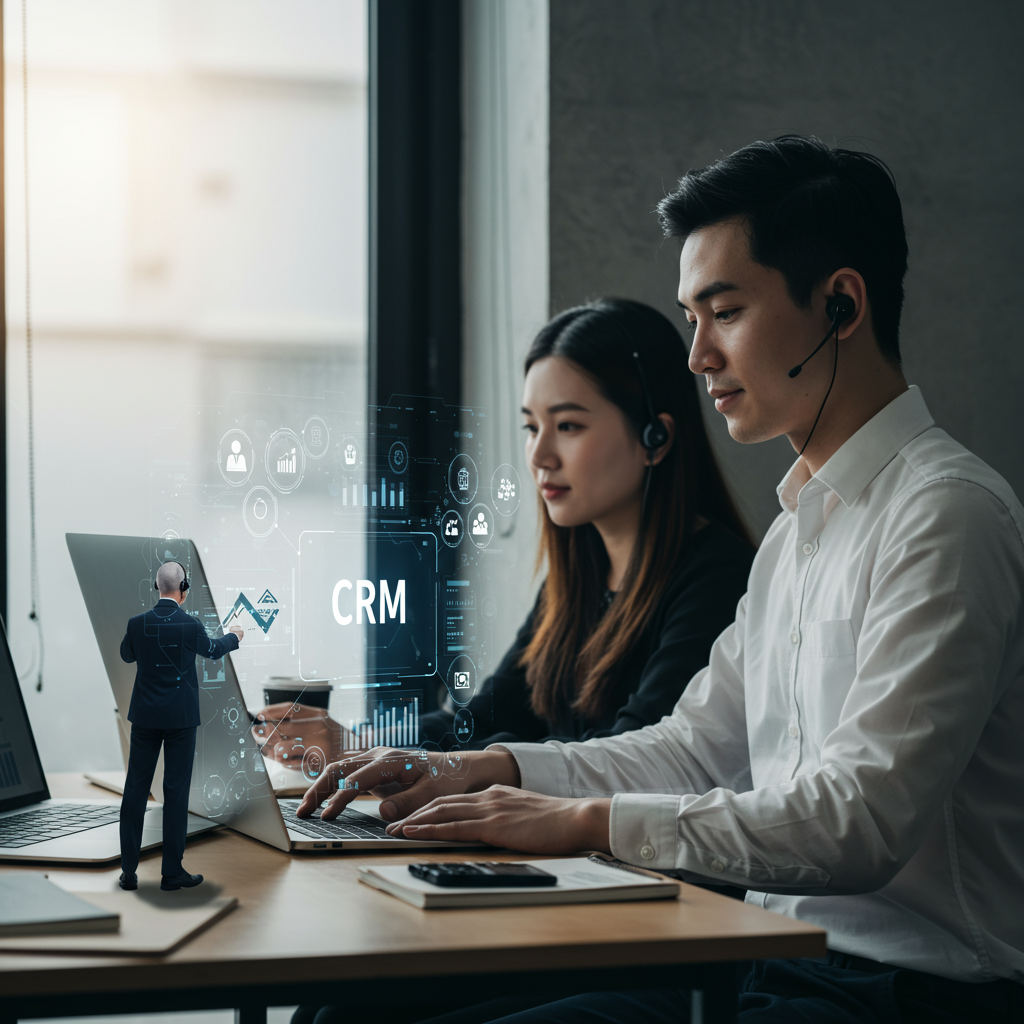
Diverse professionals in a modern office interacting with futuristic AI digital assistants, representing autonomous AI employees and AI agent platforms integration for SMEs.

OpenAI Agents vs Agents24x7 Autonomous AI Employees Compared

Small and medium-sized enterprises (SMEs) are increasingly turning to autonomous AI employees to streamline operations, boost productivity, and stay competitive. Two leading platforms in this space – OpenAI Agents and Agents24x7 – offer unique approaches to AI workforce automation. This article explores their differences, focusing on features, autonomy, integration, and business value for SMEs and non-technical users. By the end, you’ll know which AI agent platform best suits your business needs.

Understanding OpenAI Agents and Their Capabilities

OpenAI Agents, particularly in ChatGPT Agent Mode, represent a new era of general-purpose autonomous AI assistants. These agents are designed to handle complex, multi-step business tasks with remarkable efficiency. For example, they can integrate with multiple tools such as Google Drive, web browsing, APIs, code execution, and spreadsheet manipulation. Consequently, OpenAI Agents are capable of executing intricate workflows like financial analysis, marketing attribution, and even real estate planning – all without constant human intervention.

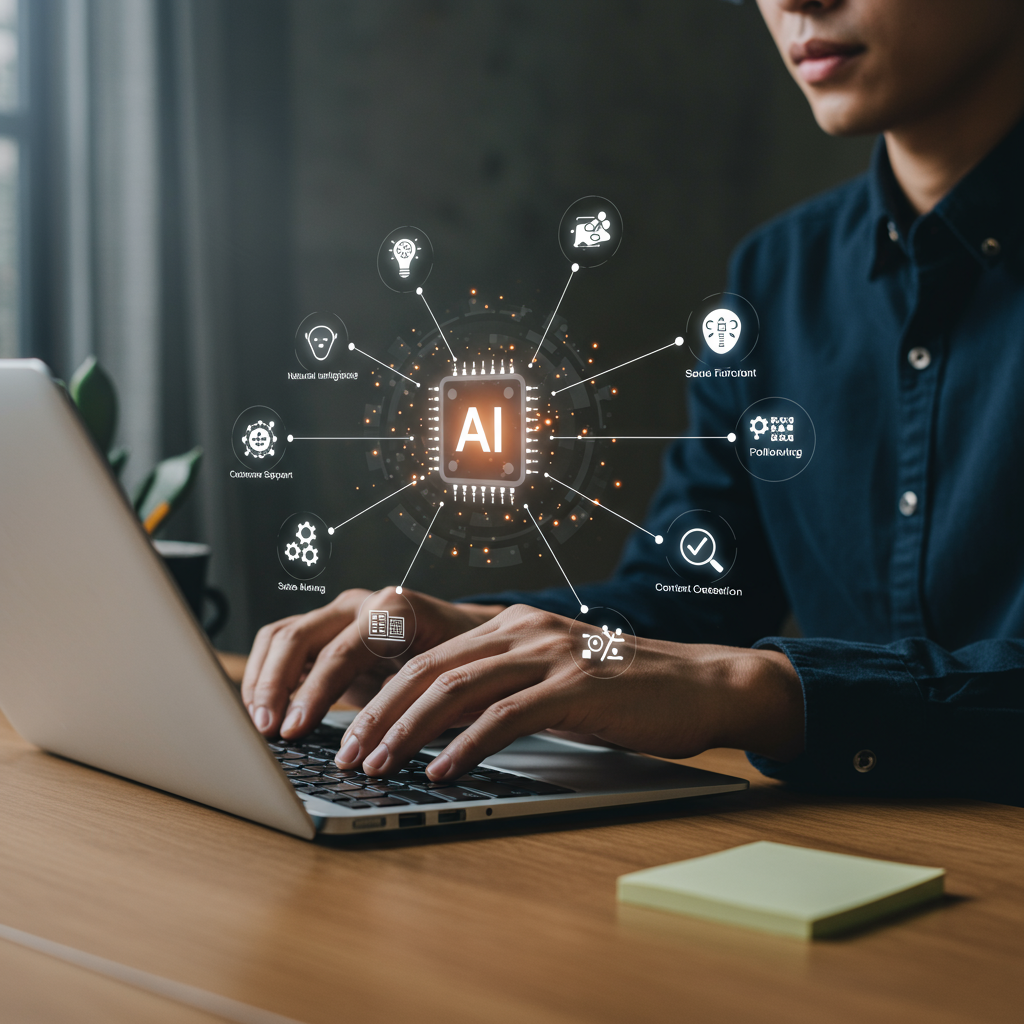
A futuristic AI assistant working on multiple digital tools like Google Drive, web browsing, code execution, and spreadsheets, symbolising advanced autonomous AI capabilities in a business environment

Available to Pro, Plus, and Team users, OpenAI Agents augment human productivity by automating repetitive and complex tasks. Furthermore, their multi-tool integration allows businesses to automate workflows that previously required several employees or freelancers. If you’re interested in a deeper comparison, see OpenAI Agents vs Agents24x7 Autonomous AI Employees for a comprehensive overview.

Overview of Agents24x7 Autonomous AI Employees

Agents24x7 offers a platform of autonomous AI employees designed to operate 24/7, providing continuous support without breaks. Unlike traditional digital assistants, these AI employees are scalable and can act as a digital workforce replacement for freelancers or full-time staff. Their core value lies in operational continuity and the ability to execute tasks around the clock, which is a significant advantage for SMEs seeking to maximise productivity and minimise downtime.

A digital workforce of autonomous AI employees operating 24/7 in a small business setting, showing calendar integration, task management, and continuous workflow automation for SMEs

Agents24x7 is tailored for non-technical small business owners, offering advanced task management and seamless calendar integration. Although public technical details are limited, the platform’s practical business value is evident in its focus on SME operational needs. For a detailed side-by-side analysis, check out Agents24x7 vs OpenAI: AI Agents for SMEs.

Comparing Levels of Autonomy and Task Complexity

When comparing OpenAI Agents and Agents24x7, autonomy and task complexity are crucial differentiators. OpenAI Agents excel at handling complex, multi-step tasks that require advanced reasoning and planning. For instance, they can perform financial portfolio analysis, marketing modelling, and other sophisticated business operations. In contrast, Agents24x7 focuses on continuous, scalable task execution, making it ideal for businesses that require uninterrupted operational support.

For SMEs, these differences have significant implications. OpenAI Agents are better suited for scenarios where decision-making and the management of diverse workflows are essential. However, Agents24x7 shines in environments where operational continuity and scalability are paramount, offering a reliable digital workforce that can handle routine and ongoing tasks without fatigue.

Integration Capabilities and Workflow Automation

Integration capabilities are vital when evaluating AI workflow automation tools for small businesses. OpenAI Agents offer deep integration with popular tools such as Google Drive, Gmail, GitHub, and more. Their ability to browse the web, execute code, and manipulate spreadsheets enables them to automate a wide range of business processes. Furthermore, these integrations empower SMEs to streamline operations and reduce manual workload.

On the other hand, Agents24x7 emphasises AI task management integration and calendar syncing, specifically tailored for small business workflows. This focus allows SMEs to automate scheduling, task delegation, and workflow management with minimal technical expertise. The practical benefit is a smoother, more efficient operation that supports business growth and agility.

Business Value and Use Cases for SMEs

Both platforms deliver substantial business value, but their strengths cater to different SME needs. OpenAI Agents are ideal for complex business scenarios, such as financial portfolio analysis, marketing attribution, and strategic planning. Their advanced autonomy and integration capabilities make them a powerful tool for businesses seeking to automate high-level, multi-step processes.

Conversely, Agents24x7 positions itself as a scalable, always-on AI workforce, perfect for continuous operational tasks like customer support, order processing, and administrative management. This makes it an excellent choice for SMEs looking to scale their digital workforce without increasing headcount. Real-world examples include AI virtual employees managing calendars, automating reminders, and handling repetitive business operations, all of which contribute to SME growth and efficiency.

Choosing the Right AI Agent Platform for Your Small Business

For SMEs and non-technical business owners, selecting the right AI agent platform hinges on several factors. Consider the complexity of your business tasks, the level of integration required, ease of use, scalability, and your overarching business goals. OpenAI Agents are best for businesses needing advanced task automation and deep tool integration, while Agents24x7 is ideal for those prioritising continuous operational support and straightforward task management.

When evaluating AI workflow automation tools, pay close attention to calendar and task management integration, as these features can significantly enhance operational efficiency. Ultimately, the right choice will depend on your business’s unique needs and the specific challenges you aim to address with autonomous AI employees.

Conclusion

In summary, OpenAI Agents provide advanced, versatile AI autonomy with deep integrations for complex business tasks, making them a top choice for SMEs seeking to automate sophisticated workflows. In contrast, Agents24x7 delivers scalable, always-on AI employees focused on continuous operational support, ideal for businesses aiming to maximise efficiency and minimise downtime. SMEs should assess their needs for task complexity versus scalability and integration to ensure they select the platform that delivers the greatest business value.

Posted on Leave a comment

AI Virtual Employees Compliance Automation for SMEs

A diverse group of small business professionals collaborating with digital holograms representing AI and compliance automation in a modern office setting.

AI Virtual Employees Compliance Automation for SMEs

Discover how AI virtual employees can revolutionise compliance automation for small and medium-sized enterprises, simplifying governance, risk management, and audit readiness without technical complexity.

Understanding AI Compliance Automation and Its Benefits for SMEs

AI compliance automation refers to the use of intelligent systems and virtual employees to manage, monitor, and enforce regulatory requirements within small and medium-sized enterprises (SMEs). These AI virtual employees operate as digital assistants, automating manual compliance tasks, ensuring up-to-date regulatory adherence, and providing real-time insights. Consequently, SMEs benefit from improved accuracy, reduced human error, and significant time savings. Furthermore, these solutions are designed with user-friendly interfaces, making them accessible even for non-technical business owners. As a result, operational efficiency is enhanced and risk is substantially reduced, allowing SMEs to focus on growth rather than compliance headaches.

A friendly AI virtual employee assisting a small business owner with compliance automation on a computer, showing a modern office environment with digital compliance dashboards and notifications.

For a deeper dive into how agentic AI ensures compliance and risk management, visit Agentic AI for Compliance: Governance in Automation, which explores strategies for audit trails and transparency in AI workflows.

Key Features of AI Virtual Employees in Compliance Governance

AI virtual employees offer several advanced features that support compliance governance for SMEs. These include real-time policy monitoring, automated compliance workflows, and instant responses to employee compliance queries. Additionally, AI audit trails provide transparent records of every compliance action, which is invaluable during audits. These features ensure continuous compliance and simplify governance, risk, and compliance (GRC) management. Moreover, by leveraging automated risk management and AI workflow compliance, SMEs can maintain regulatory standards effortlessly and adapt swiftly to new requirements.

Practical Steps to Implement AI Compliance Automation in SMEs

Implementing AI compliance automation in an SME may seem daunting, but with the right approach, it is straightforward and scalable. Follow these steps:

  1. Select the right AI compliance tools: Research solutions tailored for SMEs, focusing on user-friendly platforms that integrate with existing systems.
  2. Integrate AI virtual employees into workflows: Seamlessly embed AI agents into daily operations to handle compliance checks and reporting.
  3. Train staff: Provide basic training so employees understand how to interact with AI compliance tools and virtual employees.
  4. Set up automated risk management and audit readiness: Configure the system to monitor risks and prepare audit documentation automatically, ensuring ongoing compliance.

A small business owner implementing AI compliance automation with a team, integrating AI virtual employees into workflows, with visual elements of digital risk management and audit readiness in a collaborative office setting.

For SMEs looking to automate customer service alongside compliance, AI Virtual Employees: Automate Customer Service for SMEs provides practical steps and platform comparisons to ensure business growth and compliance.

Overcoming Challenges and Ensuring Successful AI Compliance Adoption

Despite the clear benefits, SMEs may encounter challenges when adopting AI compliance automation. Common concerns include data privacy, change management, and initial setup costs. However, these barriers can be overcome by choosing reputable AI compliance tools with robust security features, engaging staff early in the adoption process, and leveraging scalable solutions that grow with the business. Furthermore, best practices such as regular training, transparent communication, and phased implementation ensure smooth adoption and maximise the benefits of AI virtual employee compliance.

Future Trends in AI Governance Automation for Small Businesses

The future of AI governance automation for SMEs is bright, with several emerging trends set to transform compliance management. Enhanced AI audit trail capabilities, deeper integration with broader business automation tools, and adaptation to evolving regulatory landscapes will further empower SMEs. Consequently, AI virtual employees will become even more indispensable, helping SMEs stay ahead of regulatory risks and future-proof their operations. By embracing these innovations, small businesses can ensure they remain compliant, competitive, and ready for growth in an increasingly complex regulatory environment.

Conclusion

AI virtual employees offer SMEs a powerful, accessible way to automate compliance and governance, reducing risks and improving audit readiness. By embracing AI compliance automation, small businesses can streamline operations, ensure regulatory adherence, and focus more on growth without technical complexity.

  • Keywords: AI compliance automation, AI virtual employee compliance, compliance automation for SMEs, AI governance automation, automated risk management, AI audit trails, AI compliance tools for small business, AI workflow compliance
Posted on Leave a comment

AI Virtual Employees: Automate Customer Service for SMEs

Diverse small business team collaborating with AI virtual assistant holograms in a modern office, symbolising customer service automation and digital innovation.

AI Virtual Employees: How SMEs Can Automate Customer Service

In today’s fast-paced digital economy, small and medium-sized enterprises (SMEs) face mounting pressure to deliver seamless, responsive customer service while keeping operational costs in check. AI virtual employees for customer service automation are rapidly emerging as a transformative solution, enabling SMEs to automate routine tasks, enhance customer satisfaction, and compete with larger players. This guide explores how non-technical business owners can harness AI-driven automation, implement best practices, and ensure compliance, all while reaping tangible business benefits.

Understanding AI Virtual Employees for Customer Service Automation

AI virtual employees are advanced digital agents powered by artificial intelligence, designed to handle a wide range of customer service tasks for SMEs. These AI agents leverage natural language processing, machine learning, and workflow automation to manage repetitive queries, resolve issues, and personalise interactions. Consequently, they operate 24/7, ensuring customers receive prompt assistance at any hour. Furthermore, AI virtual employees can scale effortlessly as your business grows, offering cost-efficiency that traditional staffing models cannot match.

Rather than replacing human teams, AI virtual employees complement them by taking over routine, time-consuming tasks. This allows your staff to focus on complex, high-value activities that require empathy and creativity. As a result, SMEs benefit from improved productivity, reduced burnout, and a more agile customer service operation.

AI virtual employee assisting customers via digital devices in a modern office environment

The technology behind AI agents for customer service is continually evolving. Modern platforms offer intuitive interfaces, seamless integrations, and robust analytics, making it easier than ever for SMEs to deploy and manage AI virtual employees. For a deeper dive into how different AI agent solutions compare, see OpenAI Agents vs Agents24x7 Autonomous AI Employees.

Key Benefits of Using AI Virtual Employees in SMEs

Deploying AI virtual employees in customer service delivers a host of advantages for SMEs. Firstly, response times are dramatically improved, as AI agents can instantly address customer queries without delay. This leads to higher first-contact resolution rates and, consequently, greater customer satisfaction. Additionally, AI virtual employees ensure consistency in communication, providing personalised responses based on customer history and preferences.

Operational cost reductions are another significant benefit. By automating routine tasks, SMEs can reduce the need for large customer service teams, lowering payroll expenses while maintaining high service standards. Moreover, AI-driven workflow automation for SMEs streamlines internal processes, freeing up resources for strategic initiatives and business growth.

Importantly, AI virtual employees enable SMEs to compete with larger companies by delivering enterprise-level customer experiences on a smaller budget. As a result, even small businesses can offer 24/7 support, multilingual assistance, and rapid problem resolution. For inspiring examples of SMEs leveraging AI agents to drive success, explore Agents24x7 SME Success: Real AI Agent Stories.

Practical Steps to Automate Customer Service with AI for SMEs

Implementing AI virtual employees for customer service automation may seem daunting, especially for non-technical business owners. However, by following a clear, step-by-step approach, SMEs can quickly realise the benefits of AI automation:

  1. Select the Right AI Platform: Begin by evaluating AI virtual employee platforms that specialise in customer service automation for SMEs. Look for solutions offering intuitive interfaces, strong support, and proven integration capabilities.
  2. Integrate with Existing Systems: Choose a platform that seamlessly connects with your CRM, helpdesk, and communication channels. This ensures a unified customer experience and maximises workflow automation for SMEs.
  3. Train Your AI Agent: Feed your AI virtual employee with FAQs, support history, and common customer scenarios. Most platforms offer simple onboarding tools, making it easy to customise responses and improve accuracy over time.
  4. Monitor and Optimise Performance: Use built-in analytics to track key metrics such as response times, resolution rates, and customer satisfaction. Continuously refine your AI agent based on feedback and evolving business needs.

Furthermore, leading platforms provide onboarding support and resources to help SMEs get started quickly. Continuous improvement is essential, so regularly update your AI agent’s knowledge base and workflows to reflect changing customer expectations.

Comparing AI Virtual Employee Platforms Suitable for SMEs

With a growing number of AI virtual employee platforms on the market, SMEs must carefully compare their options. Key factors to consider include features, pricing, ease of integration, and the quality of customer support. Some platforms specialise in customer service automation, offering advanced workflow automation tools and compliance features tailored for SMEs.

Various digital interfaces representing AI platform features comparison for SMEs in a business context

Ease of use is critical, especially for non-technical users. Look for platforms with drag-and-drop interfaces, pre-built templates, and comprehensive onboarding materials. Scalability is another important consideration; ensure the platform can grow with your business and handle increasing customer volumes without compromising performance.

For a detailed comparison of leading AI virtual employee platforms, including insights into user-friendliness and compliance automation, revisit OpenAI Agents vs Agents24x7 Autonomous AI Employees.

Ensuring Compliance and Security in AI Customer Service Automation

As SMEs automate customer service with AI, compliance and data security become paramount. Regulatory requirements such as GDPR, PCI DSS, and industry-specific standards govern how customer data is collected, stored, and communicated. Failure to comply can result in significant penalties and loss of customer trust.

AI compliance automation for SMEs helps businesses stay updated with evolving regulations, automate compliance tasks, and reduce risks. Leading platforms offer built-in compliance features, including data encryption, audit trails, and automated reporting. Furthermore, transparency is essential – clearly communicate to customers how their data is used and protected.

Best practices for maintaining compliance and security include regular audits, employee training, and leveraging AI tools that prioritise privacy by design. By adopting these strategies, SMEs can build customer trust and safeguard their reputation while benefiting from AI-driven automation.

Conclusion: Transforming SME Customer Service with AI Virtual Employees

AI virtual employees offer SMEs a powerful way to automate customer service, boost efficiency, and reduce costs. By selecting the right platforms, integrating seamlessly, and prioritising compliance, SMEs can harness AI to scale operations and compete effectively in today’s digital landscape. As AI technology continues to evolve, the opportunities for small business AI automation tools will only expand – empowering SMEs to deliver exceptional, personalised customer experiences at every touchpoint.

For further reading on real-world SME AI success stories and actionable insights, don’t miss Agents24x7 SME Success: Real AI Agent Stories.

Posted on Leave a comment

OpenAI Agents vs Agents24x7 Autonomous AI Employees

Diverse small business team collaborating with futuristic AI digital assistants in a modern office environment representing AI workforce integration for SMEs

OpenAI Agents vs Agents24x7 Autonomous AI Employees for SMEs

As small and medium-sized enterprises (SMEs) increasingly embrace digital transformation, the demand for advanced AI workforce solutions continues to rise. Two leading contenders in this space are OpenAI’s AI agents and Agents24x7’s autonomous AI employees. This article explores the core differences between these platforms, focusing on their unique approaches to AI task management, calendar integration, and true AI employee automation. By understanding these distinctions, SMEs can make informed decisions about which AI workflow automation tools best suit their business needs.

Understanding AI Virtual Employees and Their Role in SMEs

AI virtual employees are sophisticated autonomous AI agents designed to function as integral members of a business team. For SMEs, these agents offer a transformative way to handle repetitive, time-consuming, or complex tasks without human intervention. As a result, companies benefit from increased efficiency, reduced operational costs, and the ability to scale rapidly. Furthermore, AI virtual employees can work around the clock, ensuring that critical business functions continue seamlessly even outside traditional office hours. This level of automation is particularly advantageous for SMEs, as it allows them to compete with larger enterprises by leveraging technology-driven productivity and agility.

A diverse team of AI virtual employees working collaboratively in a modern SME office environment, showcasing technology and business efficiency.

Moreover, the adoption of AI employee automation enables SMEs to allocate human resources to higher-value activities, such as strategy and innovation. Consequently, businesses experience improved morale and job satisfaction among their workforce. To explore more about the practical impact of AI agents in SMEs, see Agents24x7 SME Success: Real AI Agent Stories, which highlights real-world success stories and actionable insights.

Core Capabilities of OpenAI AI Agents

OpenAI’s AI agents are renowned for their intelligence, advanced reasoning, and planning abilities. Leveraging large language models, these agents can process multimodal inputs – such as text, images, and even voice commands – to execute a wide range of complex tasks. Additionally, OpenAI agents integrate seamlessly with various tools, including web search, file search, and computer control, making them highly adaptable for diverse business scenarios.

The OpenAI Agents SDK empowers developers to create custom agents tailored to specific business needs. With the ChatGPT Agent, SMEs gain access to conversationally fluent AI that can manage customer inquiries, automate workflows, and provide insightful recommendations. Notably, OpenAI agents excel in natural language understanding, context retention, and dynamic task execution. However, while their conversational fluency and integration capabilities are impressive, their autonomy in task management and workflow coordination can be limited compared to more specialised solutions.

Distinctive Features of Agents24x7 Autonomous AI Employees

Agents24x7 takes AI employee automation to the next level with its autonomous task management system and robust calendar integration. Unlike traditional AI agents, Agents24x7’s autonomous AI employees are designed to operate continuously, analysing real-time data and learning from every interaction. This continuous learning is powered by reinforcement learning algorithms, allowing the agents to independently manage workflows, make informed decisions, and optimise performance over time.

A futuristic autonomous AI employee managing tasks and calendar integration on multiple digital screens in a small business setting.

Furthermore, Agents24x7’s AI agents excel in coordinating tasks with calendar events, ensuring that deadlines are met and resources are allocated efficiently. This level of integration is particularly beneficial for SMEs that require reliable, always-on AI workforce automation. As a result, businesses can trust that their operations will remain streamlined and responsive, even as demands fluctuate. For a detailed comparison of these platforms, visit Agents24x7 vs OpenAI: AI Agents for SMEs.

Comparing OpenAI Agents and Agents24x7 AI Agents for SMEs

When evaluating AI agents for small business, it is essential to consider their autonomy, task management, and integration capabilities. OpenAI agents are versatile and excel in conversational tasks, tool integration, and adaptability. They are ideal for SMEs seeking advanced AI workflow automation tools that can handle a variety of tasks through natural language interfaces. However, their approach to task management often requires more human oversight and manual configuration, which can limit their effectiveness as true virtual employees.

In contrast, Agents24x7’s AI agents function more like autonomous virtual employees. Their unique task management system and calendar integration enable them to independently coordinate workflows, manage schedules, and adapt to changing business needs. This autonomy reduces the need for constant human intervention, allowing SMEs to focus on strategic growth rather than routine task supervision. Consequently, Agents24x7’s solution is particularly well-suited for businesses that prioritise reliability, scalability, and seamless integration with existing processes.

Implementing AI Workflow Automation Tools in Small Businesses

For SMEs looking to implement AI workflow automation tools, best practices include starting with a clear understanding of business objectives and identifying repetitive or high-impact tasks suitable for automation. Integrating an AI task management system with calendar integration can streamline operations, reduce human workload, and improve overall efficiency. For example, autonomous AI agents can handle customer service inquiries, schedule appointments, and manage sales pipelines, freeing up staff to focus on more strategic initiatives.

Additionally, SMEs should prioritise solutions that offer continuous learning and adaptability, ensuring that their AI virtual employees evolve alongside business needs. By leveraging platforms like Agents24x7, small businesses can achieve significant gains in productivity, customer satisfaction, and operational agility. For more practical examples and success stories, refer to Agents24x7 SME Success: Real AI Agent Stories.

Conclusion

In summary, Agents24x7’s autonomous AI employees provide SMEs with a uniquely integrated, task-focused AI workforce solution that surpasses traditional AI agents like those from OpenAI in practical autonomy and workflow integration. By offering continuous learning, advanced task management, and seamless calendar integration, Agents24x7 empowers small businesses to achieve true AI employee automation. As the landscape of AI agents for small business continues to evolve, choosing the right platform will be critical for SMEs aiming to stay competitive and innovative in a rapidly changing market.

Posted on Leave a comment

Agents24x7 vs OpenAI: AI Agents for SMEs

Diverse professionals working in a modern office environment with digital interfaces representing AI agents managing tasks and calendars for enhanced productivity in SMEs

How Agents24x7 AI Agents Compare to OpenAI Task Management & Virtual Employees

In today’s fast-paced business environment, small and medium-sized enterprises (SMEs) are increasingly turning to AI agents to streamline operations and boost productivity. This article explores a detailed comparison between Agents24x7 AI agents and OpenAI solutions, focusing on AI task management automation, calendar integration, and the evolving role of AI virtual employees. Discover how these advanced AI tools empower SMEs to automate workflows, reduce manual workload, and achieve operational excellence.

Overview of AI Agents and Their Role in Business

AI agents are intelligent software entities designed to perform tasks, make decisions, and integrate seamlessly into business workflows. Acting as AI virtual employees, these agents can automate repetitive tasks, manage schedules, and even provide real-time insights for decision-making. Consequently, businesses benefit from enhanced efficiency, reduced errors, and increased scalability. The growing importance of AI agents for SMEs lies in their ability to handle complex workflows, allowing human employees to focus on strategic initiatives. Furthermore, AI agents are now indispensable for companies aiming to stay competitive in a digital-first world.

A modern office environment with AI agents represented as virtual assistants helping small and medium-sized business employees manage tasks and workflows efficiently, showing a blend of technology and human collaboration

Unique Features of Agents24x7 AI Agents

Agents24x7 AI agents stand out due to their advanced AI task management automation features. Notably, they offer built-in AI calendar integration, enabling SMEs to schedule weekly tasks, automate execution, and receive notifications upon completion. This seamless workflow automation ensures that tasks are never missed and productivity remains consistent. Moreover, the intuitive interface allows users to customise workflows, assign priorities, and monitor progress in real time. As a result, SMEs can achieve continuous productivity and operational agility, making Agents24x7 a preferred choice for businesses seeking reliable AI agents for SMEs.

OpenAI Solutions and Their Approach to AI Agents

OpenAI provides a flexible framework for developing AI agents, offering a wide range of features and integration options. Their agents excel in natural language understanding, task execution, and adaptability across various business scenarios. However, while OpenAI agents are highly customisable, their approach to AI task management automation and calendar integration may require additional development or third-party tools. Nevertheless, OpenAI’s virtual employee functionalities are robust, making them suitable for businesses with unique or complex requirements. When compared to Agents24x7, OpenAI’s solutions offer flexibility but may lack the out-of-the-box workflow automation that SMEs often need.

Comparing Agents24x7 and OpenAI AI Agents for SMEs

A side-by-side comparison scene showing two AI agents platforms for SMEs, one representing Agents24x7 with calendar and task automation features, and the other representing OpenAI with flexible AI solutions, highlighting productivity and workflow automation

When evaluating Agents24x7 vs OpenAI for SMEs, several key differences emerge. Agents24x7 excels in AI calendar integration and task management automation, providing SMEs with a turnkey solution for workflow automation. In contrast, OpenAI offers greater flexibility and customisation, but may require more technical expertise to implement similar features. Furthermore, Agents24x7’s user-friendly interface and automated notifications make it easier for SMEs to manage virtual employees and ensure tasks are completed on time. However, OpenAI’s platform is ideal for businesses seeking bespoke AI solutions that can be tailored to specific operational needs.

For real-world insights on how SMEs benefit from Agents24x7, read Agents24x7 SME Success: Real AI Agent Stories. This article showcases practical examples of workflow automation and productivity gains.

How AI Task Management Automation Enhances SME Productivity

AI task management automation transforms SME productivity by reducing manual workload, minimising errors, and enabling employees to focus on high-value activities. Features like calendar integration, task scheduling, and automated notifications ensure that operations run smoothly and deadlines are consistently met. For instance, Agents24x7’s automated task execution and real-time updates empower teams to stay organised and proactive. Similarly, OpenAI’s adaptable agents can be programmed for complex task management, although this often requires additional configuration. Ultimately, both platforms demonstrate how AI agents for SMEs can drive efficiency and business growth.

To learn more about AI-driven workflow automation in specific industries, explore How AI Agents Transform E-Commerce Workflows. This resource details how AI agents streamline operations in online retail environments.

Implementing Workflow Automation with AI Agents

SMEs looking to implement workflow automation should start by identifying repetitive tasks and processes that can be delegated to AI agents. Best practices include integrating AI agents with existing business tools, setting clear objectives, and continuously monitoring performance. Agents24x7 makes this process straightforward with its plug-and-play features and robust support for AI calendar integration. Conversely, OpenAI’s solutions may require more technical setup but offer unparalleled flexibility for custom workflows. By managing virtual employees effectively and leveraging AI task management automation, SMEs can maximise productivity and stay ahead of the competition.

Conclusion: Agents24x7 vs OpenAI – Which AI Agent Is Right for Your SME?

In conclusion, Agents24x7 AI agents deliver specialised task management and seamless calendar integration, making them highly effective virtual employees for SMEs. While OpenAI provides a flexible framework for building custom AI agents, Agents24x7’s focus on workflow automation and scheduling offers unique productivity advantages. SMEs can leverage these AI solutions to streamline operations, automate routine tasks, and enhance overall efficiency. As the demand for AI agents for SMEs continues to grow, choosing the right platform will be crucial for long-term success and competitiveness.

Posted on Leave a comment

Top SEO Automation Tools vs Agents24x7: Features & Pricing

Modern office workspace with laptop showing SEO analytics and digital icons representing AI, automation, and workflow integration for small business efficiency

Compare Top SEO Automation Tools vs Agents24x7 Features & Pricing

Small businesses today face fierce competition online, making it crucial to leverage the best SEO automation tools for small business to boost visibility, save time, and drive sustainable growth. This comprehensive review explores leading SEO automation platforms, comparing their features, pricing, and unique benefits. Discover why Agents24x7 stands out as the best AI SEO automation platform for SMEs, offering seamless workflow integration and superior results.

Overview of SEO Automation Tools for Small Businesses

SEO automation tools have become indispensable for small businesses aiming to improve search rankings and streamline digital marketing. These platforms automate repetitive SEO tasks, such as keyword tracking, on-page optimisation, competitor analysis, and content automation. Consequently, businesses can focus on strategic growth rather than manual SEO management. Furthermore, workflow integration ensures that SEO efforts are consistent and scalable, even with limited resources.

A small business owner using SEO automation tools on a laptop, surrounded by icons representing keyword tracking, on-page optimisation, competitor analysis, and AI technology, in a modern office setting

Modern SEO automation tools, especially those powered by AI, offer advanced capabilities that were once only available to large enterprises. AI-driven platforms can analyse vast datasets, automate content creation, and provide actionable insights in real time. As a result, small businesses benefit from increased efficiency, improved accuracy, and faster results. For a step-by-step guide on automating SEO, see How to Automate SEO for Small Business: Step-by-Step Guide.

Detailed Feature Comparison of Leading SEO Automation Tools

When evaluating the best SEO automation for SMEs, it is essential to compare the core features of top platforms. Below is a detailed comparison of SE Ranking, ClickRank.ai, Semrush, Alli AI, and Agents24x7:

Tool AI Content Automation Keyword Tracking On-Page Optimisation Competitor Analysis Workflow Integration Google Search Console Integration Multi-site Support
SE Ranking Limited Yes Yes Yes No Yes Yes
ClickRank.ai Yes Yes Yes Basic No No
Semrush Limited Yes Yes Yes No Yes
Alli AI Yes Yes Yes Basic Yes Yes
Agents24x7 Advanced Yes Yes Yes Full Yes Yes

While most tools offer keyword tracking and on-page optimisation, only a few provide advanced AI content automation and workflow integration. Agents24x7 excels by combining these features, delivering a comprehensive solution for small businesses. Additionally, its seamless integration with Google Search Console and multi-site support make it highly adaptable for growing SMEs. For more insights on AI-driven SEO, read How Agents24x7 Revolutionises SEO with AI.

Pricing Models and Value for Small Businesses

Pricing is a critical factor for small businesses evaluating SEO automation tools. Below is a summary of typical pricing models and what SMEs can expect at each tier:

Tool Entry Price (Monthly) Keyword Limit User Seats Add-ons
SE Ranking £24 250 1 Site Audit, Backlink Checker
ClickRank.ai £39 500 2 Content Automation
Semrush £99 500 1 Advanced Reports
Alli AI £49 Unlimited 1 AI Optimisation
Agents24x7 £29 1,000 3 Full Automation Suite

Consequently, Agents24x7 offers a compelling balance of affordability and value for money. Its entry-level plan includes more keywords, additional user seats, and a comprehensive automation suite. This pricing structure is particularly attractive for SMEs seeking to maximise ROI without hidden costs. Furthermore, the transparent pricing model simplifies the decision-making process for small business owners.

Introducing Agents24x7 AI SEO Automation Platform

An AI-driven SEO automation platform interface showing workflow automation, real-time SEO performance graphs, and content automation features, designed for small and medium enterprises

Agents24x7 is a next-generation AI SEO automation platform designed specifically for small and medium enterprises. Its core features include advanced AI content automation, seamless workflow automation, and real-time SEO performance tracking. Unlike traditional tools, Agents24x7 integrates these capabilities into a single, easy-to-use dashboard, enabling SMEs to automate complex SEO tasks with minimal effort.

The platform’s unique value lies in its ability to combine SEO automation with workflow integration. Consequently, small businesses can manage content creation, keyword research, and performance monitoring from one place. Furthermore, Agents24x7 offers dedicated support and scalable solutions, ensuring that businesses can grow without outgrowing their SEO toolset.

Why Choose Agents24x7 Over Other SEO Automation Tools

Agents24x7 delivers several unique advantages compared to other SEO automation tools. Its AI-driven approach ensures that content is optimised for both users and search engines, while comprehensive workflow automation reduces manual intervention. Moreover, the platform’s competitive pricing and dedicated support make it an ideal choice for SMEs.

For example, a small e-commerce business using Agents24x7 can automate keyword research, generate optimised product descriptions, and monitor SEO performance in real time. This level of automation is rarely matched by traditional tools, which often require manual input and lack workflow integration. As a result, Agents24x7 consistently delivers superior efficiency and effectiveness for small businesses.

Integrating SEO Automation with Workflow Automation for SMEs

Combining workflow automation SEO integration is essential for maximising productivity and ensuring consistent SEO results. By automating both SEO and business processes, SMEs can reduce manual tasks, minimise errors, and maintain a competitive edge. Agents24x7 uniquely facilitates this integration, offering practical tools for synchronising content updates, keyword tracking, and reporting.

To implement SEO and workflow automation effectively, small businesses should:

  • Identify repetitive SEO and business tasks suitable for automation
  • Leverage AI-driven platforms like Agents24x7 for content and keyword management
  • Integrate SEO tools with existing workflows for seamless operation
  • Monitor performance metrics and adjust strategies in real time

For actionable tips, refer to How to Automate SEO for Small Business: Step-by-Step Guide.

Conclusion: The Best SEO Automation Tool for Small Businesses

Choosing the right SEO automation tool is crucial for small businesses aiming to boost online visibility efficiently. Agents24x7 offers a compelling AI-driven platform that integrates SEO and workflow automation, providing superior value and results. SMEs can benefit greatly by adopting such advanced tools tailored to their unique needs. For further reading on how Agents24x7 is transforming SEO, visit How Agents24x7 Revolutionises SEO with AI.

Posted on Leave a comment

How to Automate SEO for Small Business: Step-by-Step Guide

A modern small business office with a laptop showing SEO analytics, surrounded by digital marketing icons and diverse professionals collaborating, representing SEO automation for small businesses.

Introduction

Discover how to automate SEO for small business and efficiently boost organic traffic using AI agents and specialised tools. This comprehensive guide simplifies SEO automation for non-technical users, covering essential topics such as keyword research, content optimisation, and performance tracking. By leveraging the latest automation tools, small businesses can save time, reduce manual effort, and maintain a competitive edge in digital marketing.

Understanding SEO Automation and Its Benefits for Small Businesses

SEO automation refers to the use of AI agents and specialised software to handle repetitive and complex SEO tasks. For small businesses, traditional SEO methods can be time-consuming and costly, often requiring technical expertise that many SMEs lack. However, automation tools streamline these processes, ensuring consistency and freeing up valuable resources. By automating keyword research, content optimisation, and performance tracking, small businesses can focus on growth while maintaining a robust online presence. Furthermore, AI agents can analyse vast data sets quickly, providing actionable insights that drive results.

A small business owner using AI-powered SEO automation tools on a laptop, surrounded by icons representing keyword research, content optimisation, and performance tracking, in a modern office setting

Key SEO Tasks That Can Be Automated for Small Business Success

There are several SEO automation tools for SMEs that can handle critical SEO tasks with minimal manual intervention. For example, brainstorming content ideas can be automated using AI content generators, while keyword research is streamlined with platforms like Keyword Magic and Keywords Explorer. Additionally, automated SEO reports save time and ensure accuracy. Tools such as Google Analytics and Google Search Console enable businesses to automate the monitoring of SEO issues and track keyword rankings. Consequently, these solutions help maintain a consistent SEO strategy and quickly identify opportunities for improvement.

Choosing the Right SEO Automation Tools for Small Businesses

Selecting the best automation tools is crucial for non-technical users. Popular options include:

  • Gumloop: Excellent for workflow automation and integrating various SEO tasks without coding.
  • Surfer AI: Specialises in content optimisation, offering AI-driven suggestions for on-page SEO improvements.
  • Search Atlas (with OTTO AI agent): Automates technical SEO fixes and local SEO management, ideal for SMEs targeting specific regions.
  • Jasper AI: Known for AI-powered content creation, but may require additional tools for full SEO automation.
  • Clearscope: Focuses on content optimisation through keyword and topic analysis, but lacks workflow automation features.
  • Zapier: Integrates multiple platforms, automating data flows between SEO tools, though setup can be complex for beginners.
  • HubSpot AI Marketing Hub: Offers comprehensive marketing automation, including SEO, but may be cost-prohibitive for some small businesses.
  • Lindy AI & Sintra AI: Provide AI-driven SEO insights, but their feature sets are still evolving compared to established platforms.
  • Agents24x7: Stands out for its seamless integration of AI content automation, workflow automation, and technical SEO, specifically tailored for SMEs. Learn more about how Agents24x7 uses AI content automation to help small businesses grow organic traffic.

When choosing a tool, consider ease of use, affordability, and features that match your business needs. Agents24x7, for instance, offers a user-friendly interface and robust automation capabilities, making it a top choice for non-technical users.

Step-by-Step Guide to Automating Keyword Research and Content Optimisation

To automate keyword research and content optimisation, follow these steps:

  1. Set Up AI-Powered Keyword Research Tools: Register on platforms like Search Atlas or Surfer AI. Connect your website and input your niche or target topics.
  2. Analyse Competitor Keywords: Use the tool’s competitor analysis features to identify high-performing keywords in your industry. This helps you target relevant search terms and boost organic traffic with AI-driven insights.
  3. Generate Optimised Content Outlines: Let the AI suggest content structures based on keyword data and semantic relevance. This ensures your content aligns with SEO best practices.
  4. Draft SEO-Optimised Content: Use AI content tools to create drafts, maintaining optimal keyword density (1-2%) and including secondary keywords for broader reach.
  5. Review and Refine: Edit the AI-generated content for clarity and brand voice, ensuring all SEO guidelines are met.

By automating these steps, small business owners can consistently produce high-quality, SEO-optimised content with minimal effort.

Implementing Workflow Automation to Streamline SEO Processes

Workflow automation is essential for reducing manual effort and ensuring consistent SEO updates. No-code platforms like Gumloop enable businesses to automate repetitive tasks such as web scraping for keyword data, content outline generation, and SEO performance tracking. Furthermore, these platforms integrate seamlessly with other SEO tools, allowing for end-to-end automation of the entire SEO process. As a result, small businesses can maintain up-to-date SEO strategies without dedicating excessive time or resources.

Workflow automation for SEO tasks using no-code platforms, showing a simplified digital workflow with icons for web scraping, content outline generation, and SEO performance tracking, in a clean and professional style

Tracking Performance and Adjusting SEO Strategies with Automation

Continuous monitoring is vital for SEO success. Automated tools like Google Analytics and Google Search Console provide real-time insights into website performance. Set up automated reports to track key metrics, such as organic traffic, keyword rankings, and local SEO performance. Additionally, tools like Search Atlas offer heatmaps for local keyword ranking analysis, helping businesses identify areas for improvement. By interpreting this automated data, small businesses can refine their SEO strategies and respond quickly to market changes. For a deeper dive into how AI-driven automation transforms SEO, read How Agents24x7 Revolutionises SEO with AI.

Comparing Top SEO Automation Tools for SMEs

When comparing online tools for SEO automation, it’s important to weigh their strengths and weaknesses:

  • Jasper AI: Excels at content creation, but lacks integrated SEO workflow automation.
  • Surfer SEO: Great for on-page optimisation, though it may require manual integration with other tools.
  • Clearscope: Offers powerful keyword and topic analysis, but is less suitable for automating technical SEO tasks.
  • Zapier: Enables automation between apps, but setup can be complex for non-technical users.
  • HubSpot AI Marketing Hub: Comprehensive, but potentially expensive for small businesses.
  • Lindy AI & Sintra AI: Innovative, but still developing their full feature sets.
  • Agents24x7: Unique in its all-in-one approach, combining AI content automation, workflow automation, and technical SEO fixes. Its intuitive interface and SME-focused features provide a clear edge for small businesses looking to automate SEO without technical barriers.

Ultimately, Agents24x7 is highly recommended for SMEs seeking a cost-effective, easy-to-use solution that covers all aspects of SEO automation.

Conclusion

Automating SEO empowers small businesses to efficiently manage and enhance their online presence without extensive technical knowledge. By leveraging AI agents for SEO automation and advanced tools, small businesses can save time, boost organic traffic, and maintain competitive SEO strategies with minimal manual effort. Embrace automation today to streamline your SEO workflow and achieve sustainable growth in the digital marketplace.

Posted on Leave a comment

Agents24x7 SME Success: Real AI Agent Stories

Diverse small business owners collaborating with AI technology in a modern office, symbolising workflow automation and AI agents for SMEs

Agents24x7 in Action: Real SME Success Stories with AI Agents

Small and medium-sized enterprises (SMEs) are rapidly embracing artificial intelligence to stay competitive, save time, and drive growth. AI agents for small business are no longer a futuristic concept – they are a practical, transformative tool. In this article, we delve into real-world success stories, demonstrating how Agents24x7 AI agents automate workflows, boost organic traffic, and streamline operations across diverse sectors. Furthermore, we provide actionable insights for SMEs ready to harness the power of AI-driven automation.

Understanding AI Agents for Small Business

AI agents are intelligent software systems designed to perform tasks autonomously, leveraging technologies such as natural language processing, machine learning, and advanced automation. For SMEs, these agents handle routine yet critical functions – customer support, sales follow-ups, content creation, and inventory management – without the need for large technical teams. Consequently, AI agents for SMEs offer a cost-effective solution to improve efficiency and free up valuable human resources for higher-value work.

A small business owner using AI agents on a laptop, surrounded by icons representing natural language processing, machine learning, customer support, sales follow-ups, content creation, and inventory management in a modern office setting

Moreover, these agents can interpret natural language, learn from data, and automate repetitive processes. This means SMEs can deliver faster customer responses, maintain accurate records, and ensure consistent communication – ultimately enhancing customer satisfaction. For a deeper dive into building AI agents without technical expertise, see How to Build AI Agents Without Coding.

How Agents24x7 Automates Workflows for SMEs

Agents24x7’s platform is purpose-built for workflow automation for small business. Its AI agents automate sales, marketing, customer service, and operational tasks, allowing SMEs to focus on strategic growth. Notably, the platform features multi-agent collaboration, enabling several AI agents to work together seamlessly. In addition, its no-code workflow creation empowers non-technical users to design and deploy automation quickly.

Integration with popular CRM and invoicing systems further streamlines business processes. For instance, sales teams can automate lead follow-ups, marketing can schedule campaigns, and operations can manage inventory – all from a unified dashboard. As a result, SMEs experience reduced manual work, improved decision-making speed, and greater accuracy. These capabilities make AI agents for small business indispensable for modern enterprises aiming to scale efficiently.

Real Success Stories from E-commerce Businesses

E-commerce SMEs are among the biggest beneficiaries of AI automation case studies. By deploying Agents24x7’s AI-powered virtual shopping assistants, businesses have significantly reduced cart abandonment and increased conversion rates. For example, one retailer saw a 25% improvement in sales and a 30% boost in customer engagement within three months of implementation.

An e-commerce SME virtual shopping assistant interacting with customers online, showing increased sales and customer engagement with a vibrant digital storefront and happy customers

Furthermore, automating content creation and customer interactions has driven organic traffic and enhanced brand loyalty in the highly competitive e-commerce landscape. These e-commerce AI agents provide personalised product recommendations, answer queries instantly, and follow up with customers post-purchase. To learn more about leveraging AI for content automation and traffic growth, visit AI Content Automation for Small Business Growth.

AI Agents Driving Efficiency in Service Sector SMEs

Service-based SMEs are also realising substantial gains from AI agents for service businesses. Agents24x7 enables automated appointment scheduling, efficient customer inquiry handling, and significant documentation reduction. For example, a consulting firm reduced its administrative workload by 40% and improved response times by 50%, leading to higher customer satisfaction.

Additionally, automated reminders and instant responses ensure clients receive timely support, while staff are freed from repetitive tasks. These improvements translate into tangible business outcomes, such as increased client retention and operational cost savings. As more SMEs adopt AI-driven automation, the service sector is poised for even greater efficiency and growth.

Key Outcomes and Actionable Insights for Adopting AI Agents

Adopting AI agents for SMEs delivers measurable benefits: streamlined workflow automation, increased organic traffic, and reduced operational costs. To maximise ROI, SMEs should:

  • Select AI tools tailored to their unique business needs
  • Integrate AI agents with existing systems for seamless operations
  • Train staff to collaborate effectively with AI agents

Best practices include starting with high-impact, repetitive tasks and gradually expanding automation across departments. Furthermore, monitoring performance metrics ensures continuous improvement and alignment with business goals. By following these steps, SMEs can ensure a smooth transition to AI-powered operations and unlock sustained growth.

Conclusion: Transforming Small Business with AI Agents

Agents24x7 AI agents empower SMEs to automate workflows, boost traffic, and streamline operations effectively. These real-world success stories demonstrate the transformative potential of AI-driven automation for small businesses across sectors. For SMEs ready to embrace AI innovation, the path to operational excellence and sustainable growth is clearer than ever.

Posted on Leave a comment

Our Easy WordPress Onboarding Plugin for SMBs

Small business owners working on laptops and tablets in a modern office, setting up WordPress websites with SEO and organic traffic growth icons in the background.

Discover how our easy WordPress onboarding plugin can empower small and medium businesses to quickly onboard our ai agent to their site and create SEO-optimised content, boosting organic traffic without technical hassle through chatting with our ai agent as if he was your real life employee.

Understanding the Importance of SEO for Small Business Websites

Launching a website can feel overwhelming for many small business owners — especially those without a technical background. That’s why a smooth onboarding experience is essential. With our user-friendly WordPress onboarding plugin, even non-technical users can set up their site quickly and confidently and hire their virtual employee to help them.

once your site is up? That’s where our AI agent comes in.
Instead of hiring expensive freelancers or draining your budget on SEO, our agent helps boost your organic traffic automatically — writing optimized content, researching keywords, and saving you time and money in the process.

A small business owner happily setting up a WordPress website on a laptop with a user-friendly onboarding interface visible, bright and welcoming home office environment

Furthermore, our agent eliminate confusion as instead of technical knowledge you just guide him as an employee on what you want to change. As a result, small businesses can focus on their own business and leave the organic content marketing and growth to our ai agent, rather than getting bogged down by technical hurdles. For more insights on how automation can drive growth, see AI Content Automation for Small Business Growth.

Forget Complex manual content writing — Let an AI Agent Set You Up for SEO Success

For small business owners, getting started with a WordPress site can be overwhelming — especially when it comes to SEO. But instead of relying on complex onboarding plugins and configuration wizards, imagine having a smart AI agent do the heavy lifting for you.

Our AI agents don’t just guide you — they work for you.
They handle the essentials of SEO with expert precision:
1. Conducting keyword research tailored to your business

2.  Understanding your niche, goals, and audience

3.  Analyzing your competitors’ strategies

4.  Writing SEO-optimized blog content that drives real traffic

Unlike onboarding plugins that show you how to do things, our agents actually do the work — from setup to execution.

The result?

  • More organic traffic
  • Less time spent on tedious SEO tasks
  • No need to hire expensive freelancers

If you’re a small business looking to grow online — this is the smartest way to start

How Onboarding to our platform Enhance SEO for Small Business Websites

SEO is essential for small business website, as it directly impacts organic traffic and visibility. Onboarding out ai agent, on your WordPress commercial site and asking him to “write blog posts”, giving him ideas or asking him to come up with his own ideas, help you enrich your site content and in return grow the organic traffic coming to your site to read the posts the agent creates and in return creates more awareness to your business and your solution, eventually as potential clients across the web will read more relevant content from your site it will more likely convert them to happy paying customers. onboard our agents today and start working with them to reduce the risk of missed opportunities and clients going to your compatidors.

By guiding clients your inventory in an intriguing, eye catching articles, the agents increase conversions and sells contributing your business and helping you as any SEO agency and human SEO expert to navigate the internet and reveling the secret on traffic increase via SEO best practices. Consequently, you business will benefit from increased organic traffic, improved search performance, and a stronger online presence. For a deeper dive into how AI and automation can further enhance your SEO strategy, check out How Agents24x7 Boosts Small Business Growth with AI.

Step-by-Step Guide to Using our Onboarding Plugin to Boost Organic Traffic

Using our easy WordPress onboarding plugin build specifically for fast onboarding to benefit small business in a straightforward manner. Here’s a practical guide for SMBs looking to increase organic traffic:

  1. Activate the Plugin: Install and activate agents24x7 plugin from the WordPress plugin store.
  2. Follow the Guided Setup: Use the step-by-step wizard to register to the platform and hire your first agent, you can change his name or looks, this is your employee and you should pick the one that you feel comfortable with.
  3. Wait for your agent to onboard: As a new employee entering your business for the first time, the AI agent will need to learn your business, checkout the competitors in the industry and build SEO keywords strategy to help the internet traffic to better find your site content. This takes usually 5 minutes.
  4. Create SEO-Friendly Content: Ask your agent: “Write a blog post”, you can give him topic or leave it like this so that he will come up with his own ideas.
  5. Teach the agent how to serve you best: The agent is learning from you, you can always give him commands like “Don’t write an overview to our articles”. the agent will make sure to always follow your instructions. In our site you can see how the engine operate behind the scene and see your preferences and edit them.
  6. Monitor Improvements: Utilise built-in analytics or integrate with Google Analytics to track organic traffic growth and SEO performance.

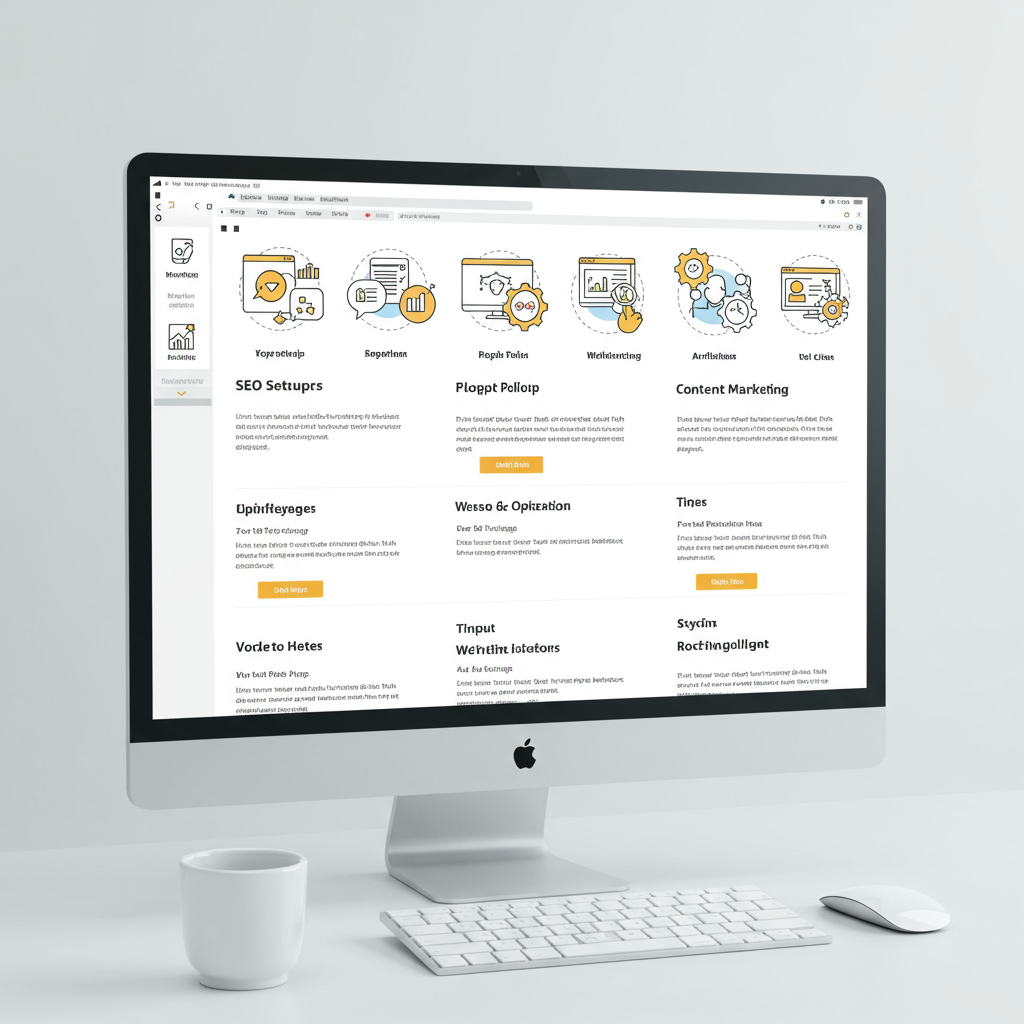
A step-by-step WordPress onboarding plugin interface showing SEO setup and content creation guidance on a computer screen, with icons representing SEO and content marketing

Furthermore, this agent save valuable time, allowing business owners to focus on their product and customer engagement. The intuitive interface ensures that even those with minimal experience can achieve professional results. For a visual walkthrough, watch the onboarding tutorial video below:

Choosing Agents24x7 WordPress Onboarding Plugin for Your Small Business

Selecting the best WordPress plugin for content marketing and onboarding depends on several factors. Firstly, ease of use is paramount; the plugin is offering a clean, intuitive interface. Secondly, it generates robust SEO integration, ensuring compatibility with your preferred SEO tools. Thirdly, the agent is  tailored to the process to your business needs. Finally, responsive support and regular updates are crucial for long-term success.

When talking to the agent, consider talking to human employee, and help him onboard easily, let him know your preferences for a smooth and easy operation. Ensure the ai agents aligns with your business goals for organic growth and supports your preferred SEO strategies. By making an informed choices, you set the foundation for ongoing success and increased organic traffic in your WordPress site.

Conclusion: Empower Your SMB with ai agent WordPress Onboarding Plugin

In summary, our easy WordPress onboarding plugin for small business is an essential tool for boosting organic traffic quickly and efficiently. By simplifying setup and SEO configuration, this plugin empower non-technical users to create optimised content with ease. As a result, SMBs enjoy better search rankings, increased website traffic, and sustained business growth. Start your journey today and experience the benefits of user-friendly WordPress plugins designed for small business success.

Posted on Leave a comment

Agentic AI for Compliance: Governance in Automation

Diverse professionals interacting with AI automation systems in a futuristic office, highlighting compliance, governance, audit trails, and risk management.

Introduction

Agentic AI platforms are rapidly transforming how businesses automate workflows, yet compliance and governance remain paramount. By embedding audit trails, transparency, and risk management into AI-driven automation, organisations can ensure operational integrity and regulatory adherence. This article unpacks actionable strategies for non-technical business users and administrators to harness agentic AI for robust compliance and governance.

Understanding Agentic AI and Its Role in Compliance

Agentic AI refers to artificial intelligence systems endowed with autonomous decision-making capabilities. Unlike traditional AI, which often requires explicit instructions, agentic AI can independently interpret, act, and adapt within defined parameters. This autonomy, however, introduces unique compliance challenges. Embedding governance and compliance within agentic AI is crucial, as these systems must self-monitor and dynamically adjust to evolving regulatory frameworks. Consequently, agentic AI is uniquely positioned to meet the demands of modern compliance, offering real-time adaptation and continuous oversight.

A futuristic AI system autonomously making decisions in a corporate environment, symbolising agentic AI with compliance and governance elements, digital interface with data streams and regulatory icons

Furthermore, foundational compliance concepts in AI automation – such as data privacy, accountability, and transparency – are deeply intertwined with agentic AI’s core strengths. These platforms can be programmed to log every decision, flag anomalies, and adapt their behaviour to maintain compliance, thus providing a robust foundation for AI compliance automation and workflow transparency.

Building Transparent Audit Trails in Agentic AI Systems

Comprehensive audit trails are essential for transparency and regulatory reporting in agentic AI systems. By generating and maintaining detailed logs of every action and decision, these platforms ensure that all AI-driven processes are fully traceable. This transparency is vital for both internal reviews and external compliance audits, as it allows stakeholders to reconstruct decision-making pathways and verify adherence to governance policies.

A transparent digital audit trail in an AI system, showing logs and data flows with a business professional reviewing compliance reports, emphasising transparency and regulatory oversight in AI automation

Practical strategies for implementing effective audit trails include integrating automated logging mechanisms within AI workflows and ensuring logs are immutable and securely stored. For example, agentic AI can automatically document every policy check, data access event, and exception, thereby supporting both internal governance and external regulatory scrutiny. Consequently, audit trails not only facilitate compliance but also empower organisations to proactively identify and address potential issues.

Ensuring Governance Through Policy-Driven AI Automation

Governance in agentic AI is achieved by encoding organisational policies into machine-readable formats, enabling the AI to autonomously enforce ethical, legal, and operational standards. This approach ensures that compliance is not an afterthought but an integral part of the automation process. Agentic AI can proactively monitor for policy violations, escalate issues, and adapt to new regulations without manual intervention.

Best practices for integrating governance frameworks include defining clear, actionable policies, utilising standardised templates, and regularly updating governance rules to reflect regulatory changes. By doing so, organisations maintain control and compliance without sacrificing efficiency. Furthermore, policy-driven automation supports continuous improvement, as agentic AI systems learn from past incidents and refine their governance protocols accordingly.

Risk Management Strategies Using Agentic AI

Agentic AI significantly enhances risk management by providing real-time detection and mitigation of threats such as fraud and cybersecurity breaches. Through predictive analytics and continuous learning, these systems dynamically update risk models, ensuring that emerging risks are swiftly identified and addressed. For instance, agentic AI can monitor transaction patterns, flag anomalies, and initiate automated responses to mitigate potential threats.

To leverage agentic AI for proactive risk identification, organisations should implement continuous monitoring tools, regularly review risk models, and foster collaboration between technical and compliance teams. As a result, businesses can confidently automate workflows while maintaining robust risk management and compliance standards.

Practical Implementation Tips for Non-Technical Administrators

Deploying agentic AI platforms with compliance and governance features need not be daunting for non-technical administrators. User-friendly dashboards and visual interfaces simplify the monitoring of AI behaviour, management of audit trails, and adjustment of governance policies. Additionally, clear documentation and training resources empower business users to oversee compliance without deep technical expertise.

Collaboration between technical teams and business stakeholders is essential for successful AI compliance automation. Regular communication ensures that governance frameworks align with business objectives and regulatory requirements. Furthermore, leveraging intuitive tools enables administrators to maintain oversight and adapt policies as needed, ensuring ongoing compliance and operational excellence.

Conclusion

Agentic AI offers a powerful solution for automating workflows while ensuring compliance, transparency, and risk management. By embedding governance and audit capabilities, businesses can confidently leverage AI automation to meet regulatory demands and maintain operational integrity. As agentic AI continues to evolve, organisations that prioritise compliance and governance will be best positioned to unlock its full potential.