Posted on Leave a comment

Boost Shopify Sales with Agents24x7 AI Automation

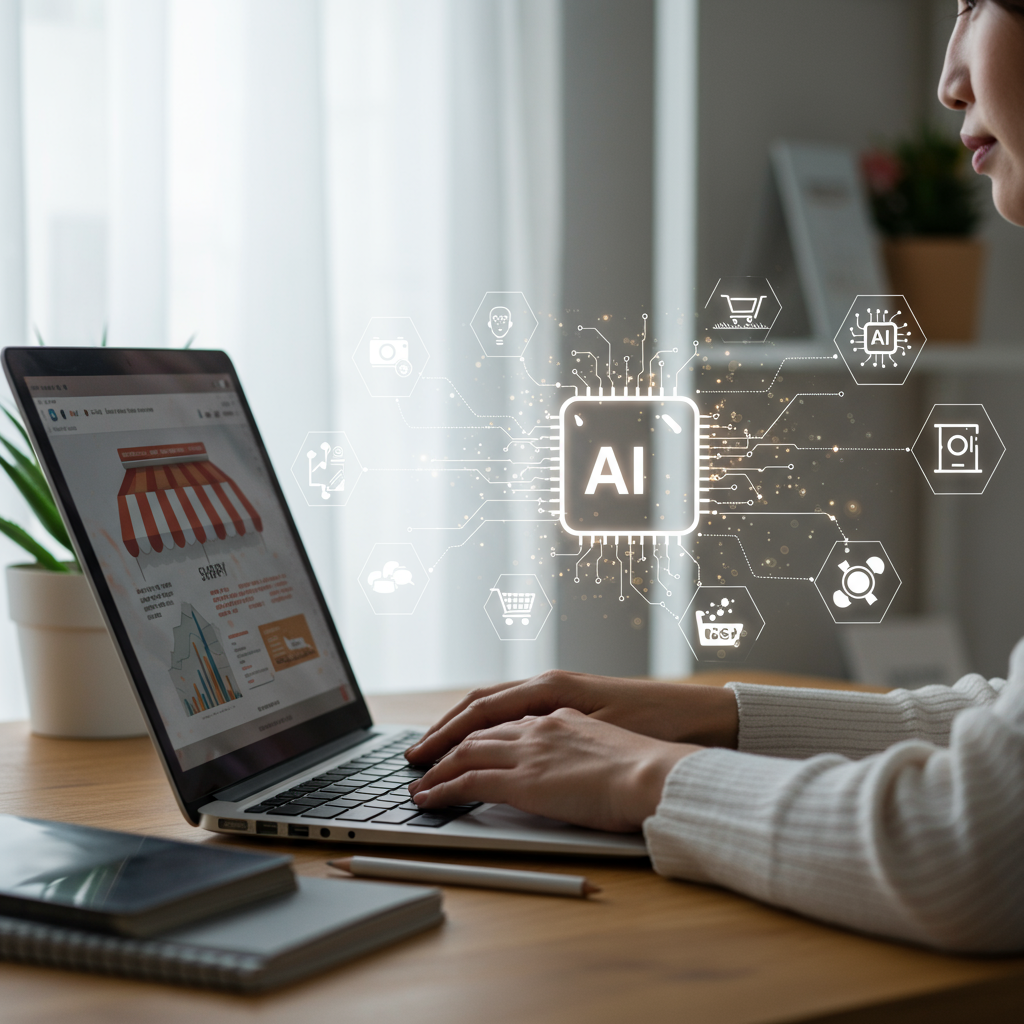
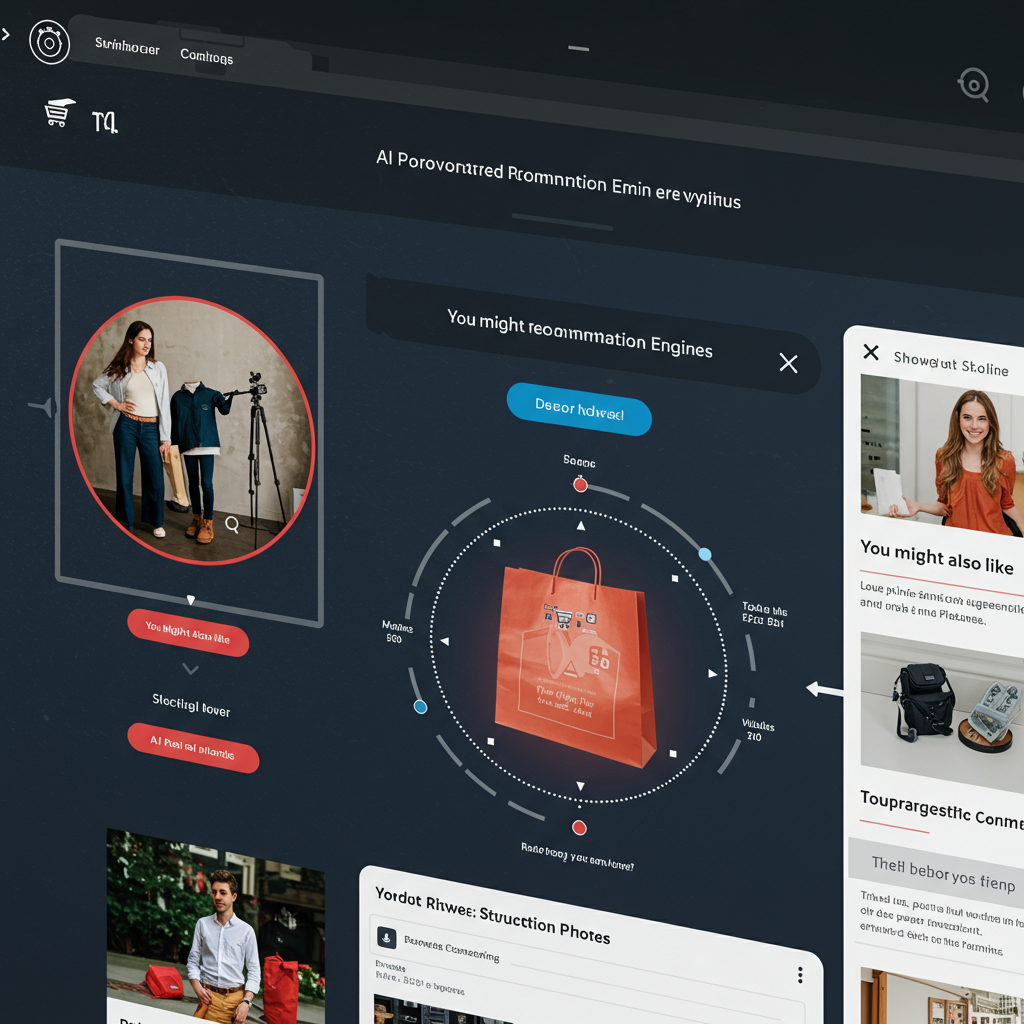
Modern e-commerce workspace with laptop displaying Shopify dashboard, AI automation icons, and diverse SME owners collaborating, symbolising AI integration and automation in online sales and customer service.

Understanding Agents24x7 Shopify Integration and Its Business Impact

Agents24x7 Shopify integration is a game-changer for small and medium-sized e-commerce businesses. By seamlessly connecting customer support and sales workflows within Shopify, it unifies access to customer and order data, ensuring that every team member can respond quickly and efficiently. As a result, response times are significantly reduced, and operational efficiency is improved. Furthermore, this integration minimises manual tasks, allowing SME owners to manage their stores more effectively without needing technical expertise.

A modern Shopify e-commerce store dashboard showing integrated AI automation tools managing customer support and sales workflows, with graphs and data analytics on screen

For example, when a customer places an order, Agents24x7 instantly updates the relevant records and notifies the sales and support teams. Consequently, this unified approach leads to fewer errors, better customer experiences, and a streamlined workflow. To explore a detailed step-by-step integration process, visit the Integrating Agents24x7 with Shopify: Step-by-Step Guide.

Automating Sales Workflows with AI to Increase Revenue

AI automation for Shopify, powered by Agents24x7, revolutionises sales workflows by automating key processes such as order processing, discount application, and refund management. For instance, when a customer qualifies for a discount, the AI automatically applies it at checkout, eliminating the need for manual intervention. Additionally, refund requests are handled swiftly, reducing wait times and increasing customer satisfaction.

Practical use cases include automated follow-ups for abandoned carts, personalised product recommendations, and instant order confirmations. These AI-driven actions not only reduce human error but also accelerate transaction handling. Consequently, businesses see higher conversion rates and sustained revenue growth. For more on workflow automation, read How AI Agents Transform E-Commerce Workflows.

Enhancing Customer Engagement with AI Virtual Employees

AI virtual employees for e-commerce, enabled by Agents24x7, transform customer service by handling FAQs, live chat support, and personalised messaging. These virtual agents are available 24/7, ensuring that customers receive immediate assistance at any time. Moreover, AI-driven engagement builds loyalty by providing tailored responses and proactive support, freeing up human agents to focus on more complex queries.

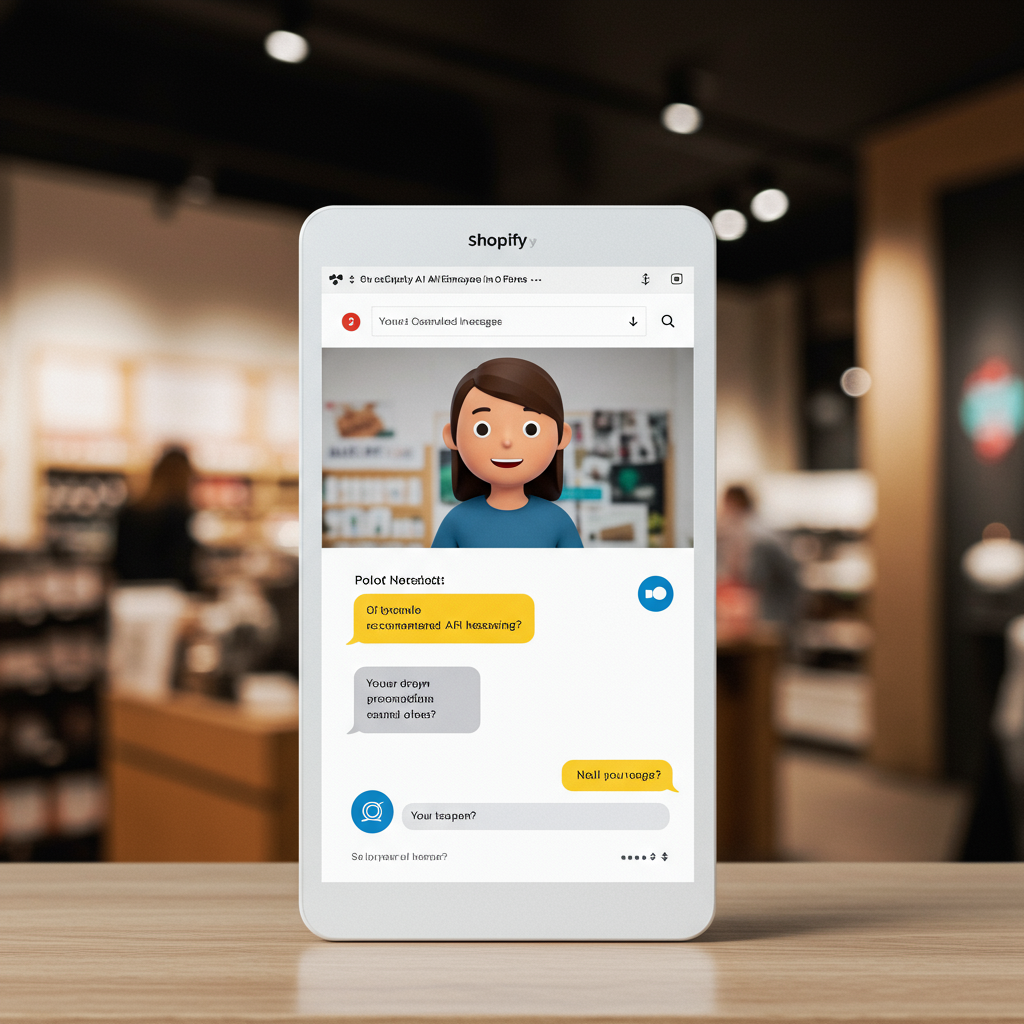
An AI virtual employee interacting with customers through live chat on a Shopify store, showcasing personalised messaging and customer engagement

For example, an AI agent can recommend products based on browsing history or answer shipping queries instantly. This not only improves satisfaction but also encourages repeat sales, as customers appreciate the consistent, high-quality support. Furthermore, integrating AI customer service for Shopify ensures that no query goes unanswered, even during peak times.

Streamlining Inventory Management Using AI Automation

Shopify inventory automation with AI, facilitated by Agents24x7, synchronises stock levels, updates product information, and sends alerts for restocks in real time. This automation minimises the risk of overselling or stockouts, ensuring a smoother customer experience and optimised sales. For instance, when inventory drops below a set threshold, the system automatically notifies the store owner and updates the online catalogue.

Additionally, real-time inventory tracking allows business owners to make informed decisions quickly, reducing the need for manual stock checks. Consequently, this leads to fewer errors, less wasted time, and a more efficient operation overall. As a result, customers can always trust that products listed as available are truly in stock.

Implementing Shopify AI Content Automation for Marketing Efficiency

Shopify AI content automation, powered by Agents24x7, generates product descriptions, marketing emails, and social media posts with ease. This not only saves time but also maintains consistent brand messaging across all platforms. For example, when launching a new product, the AI can instantly create SEO-optimised descriptions and schedule promotional emails, ensuring maximum reach.

Furthermore, AI-generated content enhances SEO performance, attracting more customers and increasing sales. By automating repetitive marketing tasks, SME owners can focus on strategy and growth rather than content creation. This approach is particularly valuable for businesses with limited resources or technical expertise.

Best Practices for Maximising Agents24x7 AI Automation Benefits

To fully leverage Agents24x7 AI automation in Shopify, SME owners should follow several best practices:

  • Monitor AI Performance: Regularly review analytics to ensure the AI is meeting sales and customer service goals. Adjust workflows as needed for optimal results.
  • Integrate with Other Shopify Workflow Automation Tools: Combine Agents24x7 with additional tools to cover all aspects of store management, from marketing to logistics.
  • Balance AI and Human Interaction: Use AI for routine tasks but ensure human agents are available for complex or sensitive issues, maintaining a personal touch.
  • Provide Step-by-Step Training: Offer clear, simple instructions for staff to understand and use AI features effectively, even without technical backgrounds.
  • Utilise Visual Aids: Incorporate screenshots or diagrams in training materials to simplify adoption and troubleshooting.

By following these tips, SME owners can optimise their Shopify workflow automation, reduce manual workload, and enhance both customer and employee satisfaction.

Conclusion

Integrating Agents24x7 with Shopify empowers SME owners to automate sales, customer service, and inventory tasks efficiently. This AI-driven approach enhances customer engagement, reduces manual workload, and drives revenue growth, making it an essential tool for modern e-commerce success. For further insights and actionable steps, refer to the Integrating Agents24x7 with Shopify: Step-by-Step Guide and How AI Agents Transform E-Commerce Workflows.

Posted on Leave a comment

Integrating Agents24x7 with Shopify: Step-by-Step Guide

Small business owner working on laptop with Shopify store and AI automation icons in a bright home office environment

Preparing Your Shopify Store for Agents24x7 Integration

Before integrating Agents24x7 AI agents, it is crucial to prepare your Shopify store thoroughly. Begin by cleaning and organising your product catalogue; remove outdated listings and ensure all product details are accurate. Furthermore, update customer data to reflect recent purchases and preferences, as this information will directly influence the effectiveness of AI-driven automation. Accurate inventory information is equally important – double-check stock levels and synchronise them across all sales channels. By taking these steps, you facilitate smooth AI agent operations, reduce the risk of errors, and improve workflow automation outcomes.

A small business owner organising and updating a Shopify product catalogue on a laptop, with charts and inventory lists visible on the screen, in a bright and modern office environment

Connecting Agents24x7 to Shopify Using No-Code Tools

Integrating Agents24x7 with Shopify is remarkably straightforward, especially when using no-code middleware platforms like Zapier. First, create accounts on both Shopify and Agents24x7, then connect them through Zapier by selecting Shopify as the trigger app and Agents24x7 as the action app. For example, you can automate customer chats or notifications based on store events, such as new orders or abandoned carts. This process requires no coding skills, making it ideal for non-technical Shopify store owners. Additionally, the visual interface allows you to customise triggers and actions, ensuring your automation matches your business needs.

An AI agent interacting with a Shopify store interface on a computer screen, showing automated workflows and customer engagement features, in a sleek tech workspace

Leveraging Shopify API and MCP Endpoint for Advanced AI Automation

For those seeking advanced Shopify AI automation, connecting Agents24x7 directly to Shopify’s API and Multi-Channel Platform (MCP) endpoint unlocks powerful possibilities. This integration enables real-time access to product, price, and inventory data, allowing AI agents to deliver personalised recommendations and automate order management. Consequently, your store can offer dynamic customer interactions, such as tailored product suggestions and instant responses to stock changes. While this approach may require some technical setup, the benefits for workflow automation and customer engagement are substantial. If you need a step-by-step walkthrough, see the Set Up Your First E-Commerce AI Agent: A Practical Guide for detailed instructions.

Automating Content Creation and SEO Optimisation with Agents24x7

Agents24x7 excels at automating content generation for Shopify e-commerce. You can use AI agents to write compelling product descriptions, engaging blog posts, and SEO-friendly metadata. By leveraging keyword research and optimising content structure, your store’s search rankings can improve significantly. Furthermore, AI-driven content tools help maintain consistency across your catalogue, saving time and reducing manual errors. To drive more organic traffic, focus on keyword-rich titles and meta descriptions, and regularly update your blog with relevant topics. For additional strategies, read How AI Agents Transform E-Commerce Workflows to discover how AI can boost your Shopify SEO efforts.

Implementing Workflow Automation to Streamline Shopify Operations

Practical workflow automation examples using Agents24x7 include order processing, customer support, and inventory updates. For instance, you can automate order confirmations, shipping notifications, and low-stock alerts, all without manual intervention. This not only saves valuable time but also reduces the risk of human error. Moreover, automating repetitive tasks enables small business owners to focus on growth and customer engagement, rather than administrative duties. As your business scales, workflow automation becomes increasingly essential for maintaining efficiency and competitiveness in the e-commerce landscape.

Ensuring Data Privacy and Compliance in AI Integration

Data privacy is paramount when integrating AI agents with Shopify. Ensure your automation complies with regulations such as GDPR by securing customer information and maintaining transparent data practices. Agents24x7 provides tools to help you manage consent and data retention policies, further building trust with your customers. Additionally, regularly review your privacy settings and update them as needed to stay compliant. Transparent communication about how you use AI and customer data will foster loyalty and reduce the risk of compliance issues.

Monitoring and Optimising AI Agent Performance for Better Sales

Tracking the effectiveness of your Agents24x7 integration is key to ongoing success. Utilise analytics dashboards to monitor customer engagement, conversion rates, and workflow efficiency. Furthermore, gather feedback from customers to identify areas for improvement and fine-tune your AI workflows accordingly. By making data-driven adjustments, you can continually enhance customer experiences and boost Shopify sales. Remember, optimisation is an ongoing process – regularly review performance metrics and adapt your strategies to changing business needs.

Conclusion

Integrating Agents24x7 with Shopify empowers small business owners to automate key e-commerce functions, enhance customer experiences, and increase sales efficiently. By following a step-by-step approach from setup to optimisation, even non-technical users can leverage AI to streamline operations and grow their online stores.

Posted on Leave a comment

Agents24x7 Experience for SMEs: Onboarding to ROI

Diverse SME owners collaborating with AI technology and WordPress integration in a modern office setting, symbolising automation and business growth

Seamless Onboarding with the Agents24x7 WordPress Plugin

Small and medium-sized enterprises (SMEs) are increasingly seeking ways to streamline operations and accelerate growth. The Agents24x7 experience for SMEs begins with a remarkably simple onboarding process, thanks to the dedicated WordPress plugin. Designed for non-technical business owners, this plugin eliminates the need for coding expertise and ensures a smooth start. After installing the plugin from the WordPress repository, users are guided through a step-by-step setup wizard. This intuitive process connects your WordPress site to the Agents24x7 platform in minutes, allowing you to activate AI agents tailored for your business needs.

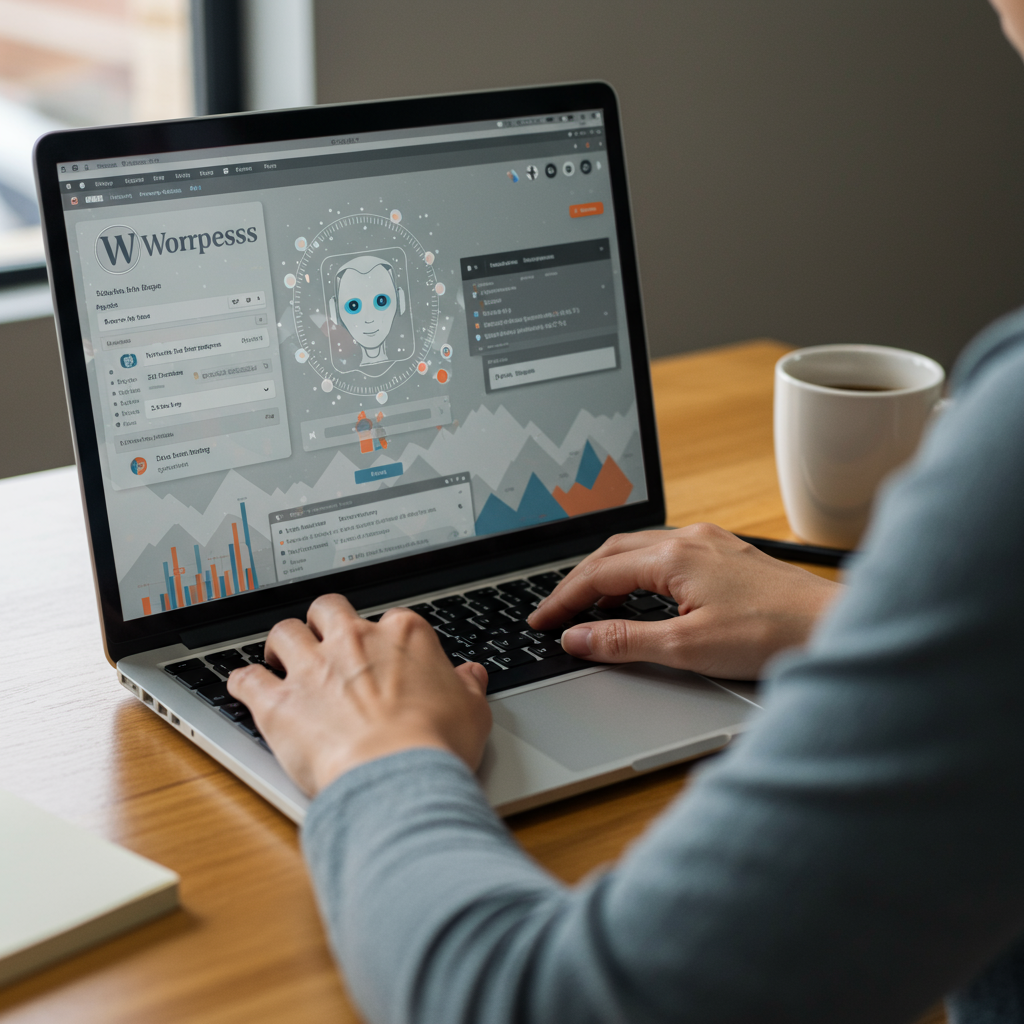
A small business owner using a laptop with a WordPress dashboard open, showing an easy-to-use AI plugin interface, symbolising seamless onboarding and no-code setup for AI agents in SMEs

Furthermore, the plugin’s integration capabilities mean you can connect with existing tools and workflows without disruption. Whether you’re managing e-commerce, bookings, or content, Agents24x7’s no-code setup minimises technical barriers and accelerates your time to value. For a comprehensive walkthrough, visit Easy WordPress Onboarding with Agents24x7 Plugin for detailed guidance on plugin installation and activation.

Harnessing AI Workflow Automation for SME Efficiency

Once onboarded, SMEs can harness the power of AI workflow automation for SMEs to transform daily operations. Agents24x7’s AI agents automate a wide range of business processes, including sales follow-ups, marketing campaigns, customer service responses, and operational tasks. For example, AI agents can collaborate to manage incoming leads, schedule appointments, and even handle routine customer queries – all without human intervention. This multi-agent collaboration is managed through a visual, no-code workflow builder, making it accessible for any SME owner.

A busy SME office environment with AI agents represented as digital assistants collaborating on workflow automation tasks like sales, marketing, and customer service, illustrating efficiency and teamwork

Consequently, automation reduces manual workloads and minimises errors, allowing teams to focus on strategic growth. In addition, SMEs benefit from real-time analytics, enabling continuous optimisation of workflows. To see how workflow automation can drive measurable results, check out Maximise ROI with Agents24x7 AI Agents for actionable insights and real-world examples.

Driving Business Growth with AI-Driven Content and SEO

Content creation and SEO are critical for SME visibility. Agents24x7 empowers businesses with AI-driven SEO for SMEs and automated content solutions. The platform’s AI agents conduct keyword research, generate optimised blog posts, and perform technical SEO audits. As a result, SMEs can maintain a consistent publishing schedule and ensure every piece of content is search-engine friendly. These capabilities not only increase organic traffic but also improve search rankings and brand authority.

Moreover, content automation benefits for small business owners are substantial. By leveraging AI, SMEs can save time, reduce costs, and maintain high-quality output. The seamless integration with WordPress means content is published directly to your site, further streamlining the process. For more on content and SEO automation, refer to the related articles linked above for expert tips and strategies.

Measuring ROI and Impact of AI Agents on SME Success

Understanding the return on investment is crucial for any business decision. With SME AI automation ROI, Agents24x7 provides practical tools to track and measure the impact of AI agents. Key metrics include increased sales conversions, higher customer engagement, time saved on manual tasks, and growth in organic website traffic. For instance, SMEs have reported up to a 40% reduction in administrative workload and a 30% boost in lead response rates after implementing Agents24x7 solutions.

Additionally, the platform offers built-in analytics dashboards, enabling ongoing monitoring of AI agent performance. Case studies highlight tangible business outcomes, such as improved customer satisfaction and sustained revenue growth. By regularly reviewing these metrics, SMEs can make data-driven decisions and refine their AI strategies for maximum impact.

Strategies to Maximise the Agents24x7 Experience for SMEs

To fully leverage the Agents24x7 experience for SMEs, it’s essential to adopt a strategic approach. Start by optimising onboarding – ensure all relevant team members are trained and familiar with the plugin’s features. Next, integrate AI agents into daily workflows, focusing on areas with the highest manual workload. Continuously refine your content and SEO automation by reviewing analytics and adjusting strategies as needed.

Furthermore, foster a culture of innovation by encouraging team adoption and sharing success stories internally. Regularly update your workflows to adapt to changing business needs, and stay informed about new Agents24x7 features. For ongoing success, SMEs should prioritise scalability and flexibility, ensuring their AI solutions grow alongside their business.

Conclusion: Empowering SMEs to Scale with AI

Agents24x7 offers SMEs a comprehensive, AI-powered journey from effortless onboarding to measurable ROI. By automating workflows, enhancing SEO, and driving content creation, small businesses can achieve significant growth and operational efficiency. Embracing these AI tools empowers SMEs to scale smarter and faster in today’s competitive market. Ready to transform your business? Start your Agents24x7 journey today and unlock the full potential of AI-driven automation for your SME.

Posted on Leave a comment

Maximise ROI with Agents24x7 AI Agents

Diverse small business owners using AI technology with icons of automation, SEO, marketing, and growth in a modern professional setting

Getting Started with Agents24x7 AI Agents

For small and medium-sized enterprises (SMEs) eager to embrace digital transformation, Agents24x7 offers a seamless entry point into the world of AI agents. The sign-up and onboarding process is designed specifically for non-technical users, ensuring that anyone can get started without the need for IT expertise. After registering, businesses are guided through a user-friendly setup wizard that walks them step-by-step through integrating AI agents with existing business systems, such as CRM and invoicing platforms. This integration is crucial, as it allows AI agents to access and automate core business functions from day one.

A small business owner happily setting up AI agents on a laptop, with icons representing CRM and invoicing platforms in the background, symbolising easy integration and onboarding.

Furthermore, aligning AI agent deployment with specific business goals is essential for maximising ROI. By clearly defining objectives – whether it’s reducing manual workload, improving customer service, or boosting sales – SMEs can ensure that every aspect of the onboarding process is tailored for measurable impact. For those looking to set up an e-commerce AI agent, the Step-by-Step Guide: E-Commerce AI Agent Setup provides practical, actionable instructions to streamline the process.

Customising AI Workflows for Small Business Needs

One of the standout features of Agents24x7 is its no-code workflow automation tools, which empower SMEs to customise AI agent workflows without technical barriers. Business owners can easily drag and drop workflow components to automate repetitive tasks, such as customer service responses, marketing follow-ups, and even SEO optimisation. For example, a small retailer might automate order confirmations and customer feedback requests, while a marketing agency could streamline campaign reporting and lead nurturing.

Consequently, these custom workflows not only reduce manual workload but also improve operational efficiency. By automating routine processes, SMEs free up valuable time to focus on strategic growth initiatives. Moreover, the intuitive interface ensures that even non-technical users can experiment with and refine workflows, making AI accessible to all. This approach is particularly beneficial for those seeking workflow automation tools for non-technical users, as it removes the complexity typically associated with AI integration.

Automating SEO and Marketing to Boost Organic Traffic

Agents24x7 AI agents excel at automating SEO and marketing activities, which are vital for driving organic traffic and customer engagement. With built-in tools for keyword optimisation, content creation, and audience segmentation, SMEs can implement sophisticated marketing strategies without hiring dedicated experts. For instance, AI agents can automatically identify trending keywords, generate optimised blog content, and segment audiences for targeted campaigns – all with minimal manual intervention.

An AI virtual assistant managing marketing tasks on multiple screens, showing keyword optimisation, content creation, and audience segmentation for boosting organic traffic.

Furthermore, AI-driven marketing automation ensures that campaigns are executed consistently and efficiently, leading to increased organic traffic and higher conversion rates. Real-life examples abound, such as SMEs using AI agents to schedule social media posts, analyse website performance, and personalise email outreach. For those interested in learning more about real-world results, the article Real SME Growth Stories: Agents24x7 AI Agents Results showcases how businesses have leveraged AI to achieve measurable growth.

Measuring Success and Maximising ROI with AI Agents

To ensure sustainable business growth, it’s vital to track and measure the ROI of AI agents. Agents24x7 provides robust analytics dashboards that allow SMEs to monitor key performance indicators (KPIs) such as time savings, cost reduction, increased sales, and customer satisfaction. By regularly reviewing these metrics, business owners can pinpoint which workflows deliver the greatest value and identify areas for further optimisation.

Additionally, interpreting this data enables continuous improvement. For example, if an AI agent is saving significant time on customer service tasks but not driving sales, the workflow can be adjusted to include upselling or cross-selling prompts. This iterative approach ensures that AI agents remain aligned with evolving business goals, maximising ROI at every stage. Moreover, scaling AI agent usage becomes straightforward, as data-driven insights highlight when and where to expand automation efforts for optimal results.

Real-Life Success Stories and Practical Tips

Across industries, SMEs are achieving remarkable outcomes by deploying Agents24x7 AI agents. Case studies reveal businesses that have increased sales, reduced manual workload, and transformed customer service through automation. For instance, a boutique retailer reported a 30% reduction in administrative tasks, while a service provider doubled their lead conversion rate by automating follow-ups and personalising communications.

However, success with AI agents isn’t just about technology – it’s also about strategy and persistence. Practical tips for overcoming common challenges include starting with clear, measurable goals, involving key team members in the onboarding process, and regularly reviewing performance data. Furthermore, SMEs should take advantage of Agents24x7’s support resources and community forums to share insights and troubleshoot issues. By following these best practices, businesses can confidently scale their use of AI agents and unlock new opportunities for growth.

Conclusion

Agents24x7 empowers SMEs to automate critical workflows, boost organic traffic, and enhance customer engagement. By following this step-by-step guide, non-technical business owners can maximise ROI and achieve sustainable growth through AI-driven automation. Whether you’re just getting started or looking to scale, Agents24x7 provides the tools and support needed to transform your business with AI agents.

Posted on Leave a comment

Set Up Your First E-Commerce AI Agent: A Practical Guide

Modern e-commerce workspace with AI interface on laptop, shopping icons, and digital automation elements representing AI agent integration in online retail

Choosing the Right AI Agent Platform for Your E-Commerce Business

Finding the ideal e-commerce AI agent platform is crucial for small businesses aiming to automate workflows and boost efficiency. When evaluating platforms, prioritise those that offer seamless integration with popular online store solutions such as Shopify and WooCommerce. These integrations ensure your AI agent can access real-time data, which is vital for automating customer support and order notifications. Furthermore, opt for platforms that provide no-code or low-code interfaces, empowering non-technical users to configure AI agents without heavy IT involvement. Scalability is another key factor; as your business grows, your chosen platform should adapt to increased demand and new functionalities.

Reliability and cost-effectiveness are equally important. Always review platform uptime guarantees, customer support responsiveness, and transparent pricing models. Additionally, check compatibility with your existing business tools, such as CRM or inventory management systems, to avoid workflow disruptions. For more insights into how no-code AI agents can streamline operations and save costs, read How No-Code AI Agents Cut Costs and Save Time.

A small business owner setting up an AI agent platform on a laptop, with icons representing Shopify and WooCommerce integration, no-code tools, and AI functions like customer support and product recommendations

Integrating Your AI Agent with Your Online Store and Backend Systems

Integrating your AI agent with your online store and backend systems is a foundational step in e-commerce AI agent setup. Begin by connecting your store’s data sources – such as product catalogues, inventory databases, and CRM systems – to the AI agent. This integration provides the agent with accurate, real-time information, enabling it to deliver timely customer support and automate order notifications. Clean, up-to-date data is essential; consequently, you should audit and prepare your product documents, FAQs, and customer records before uploading them to the platform.

Common integration methods include API connections, pre-built connectors, and middleware tools. Many modern AI agent platforms offer intuitive dashboards for mapping data fields and setting permissions, making the process straightforward even for non-technical users. However, always test integrations thoroughly to ensure data flows correctly and the AI agent responds accurately to customer queries. For a deeper dive into how AI agents can transform e-commerce workflows, visit How AI Agents Transform E-Commerce Workflows.

Configuring AI Workflows to Automate Customer Support and Order Notifications

Once your AI agent is integrated, configuring workflows to automate customer support and order notifications becomes the next priority. Start by defining the agent’s roles – such as handling FAQs, processing returns, or sending order updates. Using built-in workflow editors, you can set up AI-driven chatbots or virtual assistants to manage common customer queries, process orders, and issue timely notifications. It is vital to set guardrails that ensure compliance with your business policies, including escalation paths for complex issues and privacy controls for sensitive data.

Testing is essential to guarantee workflow accuracy and customer satisfaction. Simulate various customer interactions and monitor the AI agent’s responses, refining workflows as needed. Additionally, gather feedback from real users to identify areas for improvement. By automating these tasks, you not only save time but also deliver a more consistent and responsive customer experience, which is key for small business growth.

Implementing AI Product Recommendation Engines to Boost Sales

AI-powered product recommendation engines are a proven way to personalise the shopping experience and increase sales. These engines analyse customer behaviour, purchase history, and browsing patterns to suggest relevant products in real time. To implement this technology, start by training your AI agent on historical sales data and customer profiles. Most e-commerce AI platforms provide tools for importing data and configuring recommendation algorithms, allowing you to tailor suggestions to your audience.

An AI-powered product recommendation engine in action on an online shopping website, showing personalised product suggestions based on customer behaviour and purchase history

Seamless integration of recommendations into your online store is crucial. Place personalised suggestions on product pages, in shopping carts, and within marketing emails to maximise visibility. The benefits are significant: customers discover new products, average order values increase, and your business enjoys higher conversion rates. Furthermore, AI-driven upselling and cross-selling can be automated, freeing up your team to focus on strategic growth initiatives.

Deploying and Monitoring Your E-Commerce AI Agent for Optimal Performance

Deploying your e-commerce AI agent requires a robust infrastructure to ensure scalability and reliability. Cloud platforms and containerisation technologies enable you to scale resources dynamically as your business grows, maintaining high performance even during peak periods. Once deployed, monitoring is critical. Track key metrics such as conversion rates, customer satisfaction scores, and operational efficiency to assess the agent’s impact.

Iterative optimisation is the key to long-term success. Use data insights to refine AI workflows, update product recommendations, and expand functionalities as your business evolves. Regularly review performance dashboards and solicit feedback from staff and customers to identify new automation opportunities. By gradually expanding your AI agent’s capabilities, you ensure sustained value and ongoing growth for your e-commerce operation.

Conclusion

Setting up an e-commerce AI agent involves careful platform selection, seamless integration, and thoughtful workflow configuration. By automating customer support, order notifications, and product recommendations, small businesses can enhance efficiency and sales. Continuous monitoring and optimisation ensure your AI agent delivers lasting value and growth.

Posted on Leave a comment

Step-by-Step Guide: E-Commerce AI Agent Setup

Modern e-commerce workspace with laptop showing AI technology interface, shopping icons, digital graphs, and virtual assistant elements representing AI integration in online retail.

Choosing the Right AI Agent for Your E-Commerce Store

Before diving into e-commerce AI agent setup, it’s crucial to identify your store’s unique needs. For instance, do you require customer service automation, product recommendation, or inventory management? Each online shop has distinct requirements, and understanding them ensures you select the most suitable AI agent. There are a variety of solutions available, ranging from user-friendly no-code platforms like Glide to advanced tools such as Livex.ai. Furthermore, consider factors like ease of integration, scalability, vendor support, and cost. These elements can significantly impact the long-term success of your AI implementation. Always compare features and request demos to see which platform aligns best with your business goals.

A small business owner selecting an AI agent for their e-commerce store, showing various AI tools and platforms on a computer screen, with icons representing customer service automation, product recommendation, and inventory management

For a deeper understanding of how no-code AI agents can cut costs and save time, read How No-Code AI Agents Cut Costs and Save Time. This resource explores how automation empowers small businesses to grow efficiently without technical expertise.

Preparing Your Online Store for AI Integration

Once you’ve chosen your AI agent, the next step is to prepare your store’s data. Clean, up-to-date product catalogues and accurate customer information are fundamental for optimal AI performance. Outdated or inconsistent data can lead to errors, so review and update your records before integration. Next, outline the systems your AI agent must connect with, such as CRM, inventory management, and payment gateways. Most modern AI tools offer straightforward integration guides, but always double-check compatibility. Additionally, data security and compliance are paramount. Ensure your chosen platform complies with regulations like GDPR and uses robust encryption to protect customer information. Neglecting these steps can result in costly setbacks or breaches.

Automating Product Descriptions with AI Content Tools

AI content automation for product descriptions can save hours while improving SEO. Tools like Jasper or Copy.ai generate unique, engaging, and keyword-optimised descriptions in seconds. However, it’s vital to maintain your brand voice and verify content accuracy. Start by feeding the AI examples of your best product copy and a list of target keywords. Then, review the generated text for consistency and correctness. Furthermore, avoid publishing AI-generated content without human oversight, as this can lead to mistakes or off-brand messaging. For best results, combine AI efficiency with human creativity and quality control.

Managing Customer Interactions Using AI Virtual Employees

AI virtual employees can revolutionise customer service by handling FAQs, processing orders, and managing returns around the clock. Setting up conversational AI flows is straightforward with platforms like Agents24x7 or Intercom. Begin by mapping out common customer queries and desired responses. Next, train your AI agent using your store’s FAQ, order policies, and product details. Regularly monitor performance and adjust scripts to improve satisfaction. Automating customer service with AI agents not only saves time but also ensures customers receive prompt, accurate support. For more on this, see Boost E-Commerce Conversions with Agents24x7 AI Agents, which details how automation drives conversions and growth for SMEs.

An AI virtual employee interacting with customers online, handling FAQs and order processing, with a friendly chatbot interface and happy customers on screens

Boosting Sales and Workflow Automation with AI

AI agents for online stores can supercharge sales through personalised recommendations, dynamic pricing, and targeted marketing automation. For example, AI can analyse customer behaviour to suggest relevant products, increasing average order value. Additionally, automating routine workflows – like order tracking and inventory updates – frees up your team for higher-value tasks. Measurable benefits include increased conversion rates, reduced cart abandonment, and significant time savings. However, always test new automations on a small scale before rolling them out store-wide to avoid unexpected issues.

Testing, Monitoring, and Optimising Your AI Agent

Launch your AI agent incrementally, starting with one business area to test its effectiveness. Monitor key performance indicators such as conversion rates, customer satisfaction, and operational efficiency. Use analytics dashboards provided by your AI platform to track progress. Furthermore, schedule regular reviews and updates to ensure your agent adapts to changing business needs. Human oversight remains essential – periodically audit AI decisions and refine workflows based on feedback. Continuous improvement is key to maximising the benefits of e-commerce workflow automation.

Conclusion

Implementing an e-commerce AI agent can streamline operations, enhance customer experience, and drive sales growth. By carefully selecting the right tools, preparing your data, and optimising workflows, small business owners can successfully deploy AI with minimal technical expertise. For further reading, explore the internal links above to discover more strategies for leveraging AI tools for small business e-commerce success.

Posted on Leave a comment

Why Agents24x7 Outshines Zapier for SME Workflow Automation

A small business owner working on a laptop surrounded by AI and automation icons, representing workflow automation for SMEs in a modern office environment.

Understanding Workflow Automation for SMEs

Workflow automation for SMEs is the process of using technology to streamline repetitive business tasks, allowing small and medium-sized enterprises to operate more efficiently. By automating routine processes, businesses can significantly reduce manual errors, save valuable time, and boost overall productivity. For SMEs, these benefits are crucial, as they often operate with limited resources and face unique challenges such as restricted budgets and a lack of in-house technical expertise. Consequently, tailored automation solutions that address these constraints are vital for sustainable growth and competitiveness in today’s fast-paced market.

A small business owner using AI-driven workflow automation on a laptop, surrounded by icons representing efficiency, time-saving, and reduced errors, in a modern office setting

Comparing Agents24x7 and Zapier Features for SME Needs

When evaluating workflow automation for SMEs, it’s essential to compare the core features of leading platforms. Agents24x7 stands out with its AI-driven SEO automation, advanced content creation, and marketing workflow capabilities. Unlike Zapier, which is renowned for its extensive app integrations and rule-based automations, Agents24x7 leverages artificial intelligence to enable autonomous decision-making and natural language processing. This means non-technical users can create, manage, and optimise workflows without needing to understand complex logic or coding. Furthermore, Agents24x7’s AI virtual employee features provide a level of smart automation that Zapier simply cannot match, making it the preferred choice for SMEs seeking comprehensive and easy-to-use solutions.

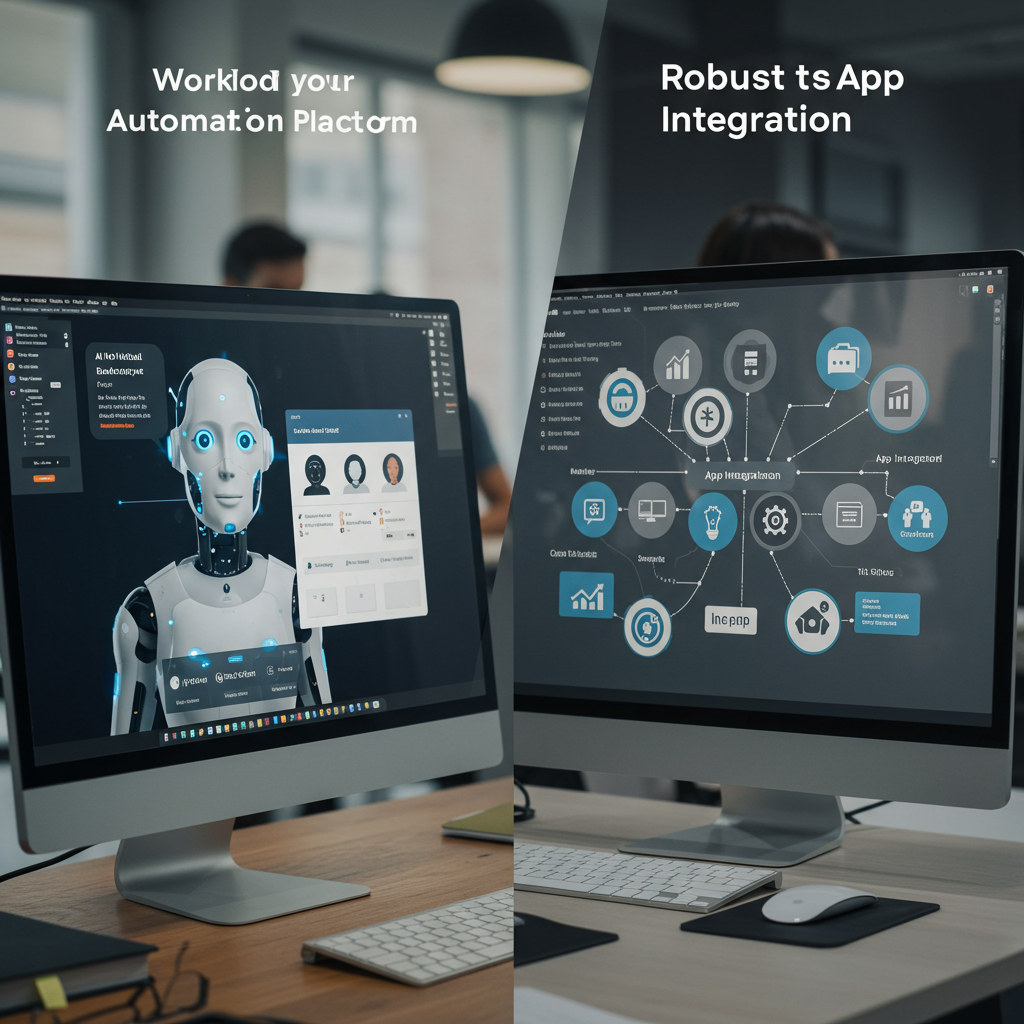
A comparison scene showing two workflow automation platforms on computer screens, one highlighting AI virtual employee features and the other showing app integrations, with a small business environment background

Ease of Use and Accessibility for Non-Technical SME Owners

For many SME owners, the prospect of implementing workflow automation can be daunting, especially without a technical background. Agents24x7 addresses this challenge by offering an intuitive interface and AI-powered virtual employee features that simplify even the most complex workflows. Users can automate tasks, manage content, and streamline marketing activities with minimal setup, thanks to natural language commands and guided processes. In contrast, while Zapier provides a no-code visual builder, it often requires users to understand triggers, actions, and multi-step logic, which can be overwhelming for beginners. As a result, Agents24x7 offers a more accessible and user-friendly experience, empowering non-technical business owners to harness the full potential of workflow automation for SMEs.

Integration Options and Workflow Flexibility

Integration breadth is a major consideration for SMEs with diverse software needs. Zapier excels in this area, supporting over 7,000 app integrations, which is ideal for businesses relying on a wide range of tools. However, Agents24x7 takes a different approach by balancing integration capabilities with AI-driven intelligent automation. While it may not match Zapier’s sheer number of integrations, Agents24x7 enables more adaptive and autonomous workflows that go beyond simple app connections. Its AI agents can interpret data, make decisions, and execute tasks across multiple platforms, offering SMEs a flexible and future-ready automation solution. For a detailed comparison of these platforms, see Agents24x7 vs Zapier: Best Workflow Automation for SMEs.

Pricing and Overall Value for Small and Medium Businesses

Affordability and value are top priorities for SMEs investing in workflow automation. Zapier’s pricing starts at $19.99 per month, with costs increasing as businesses require more tasks or advanced features. This tiered model can be restrictive for growing SMEs, especially those with fluctuating automation needs. In contrast, Agents24x7 positions itself as a cost-effective AI automation platform, offering straightforward pricing without complex tiers or hidden fees. Its focus on delivering superior results and seamless workflow integration ensures that SMEs achieve a higher return on investment over time. Furthermore, smarter automation reduces operational costs and drives sustainable growth, making Agents24x7 an attractive option for budget-conscious businesses. For more insights on cost savings, read How No-Code AI Agents Cut Costs and Save Time.

Why Agents24x7 is the Best Choice for SME Workflow Automation

Ultimately, Agents24x7 outshines Zapier as the best workflow automation platform for SMEs, particularly for non-technical users. Its AI-driven capabilities, user-friendly design, and comprehensive workflow solutions deliver unmatched value and operational efficiency. By combining advanced automation with affordable pricing, Agents24x7 empowers small and medium-sized businesses to automate smarter, adapt faster, and grow stronger. SMEs seeking a reliable, future-proof automation partner should consider Agents24x7 for its unique blend of intelligence, simplicity, and cost-effectiveness.

Conclusion

Agents24x7’s AI-powered workflow automation platform uniquely meets the needs of SMEs by combining advanced AI features with user-friendly design and affordable pricing. It outperforms Zapier in delivering smarter, more autonomous, and comprehensive automation solutions tailored for non-technical business owners, making it the ideal choice for SME growth.

Posted on Leave a comment

Agents24x7 vs Zapier: Best Workflow Automation for SMEs

Diverse SME professionals collaborating in a modern office with digital devices and icons representing workflow automation and AI technology for business growth

Understanding Workflow Automation for SMEs

For small and medium-sized enterprises (SMEs), workflow automation is a game-changer. By automating repetitive tasks, SMEs can dramatically improve efficiency, reduce manual errors, and free up valuable time for strategic growth. Common automation needs in SMEs include CRM updates, marketing automation, data syncing, and customer onboarding. These processes, if handled manually, often consume significant resources and slow down business momentum. Therefore, choosing the right workflow automation platform is crucial. It must balance ease of use with advanced features, ensuring that even non-technical users can benefit while still offering robust capabilities for more complex requirements.

A small business owner using a laptop with various digital workflow automation icons floating around, representing CRM updates, marketing automation, data syncing, and customer onboarding, in a modern office setting

Comparing AI Capabilities of Agents24x7 and Zapier

Agents24x7 stands out with its AI-driven features, particularly its autonomous AI agents. These agents leverage natural language processing, real-time decision-making, and intelligent task execution, making them ideal for SMEs looking to automate more complex workflows. In contrast, Zapier relies on rule-based automation. While Zapier’s approach is simpler and focuses on structured workflows, it lacks true AI learning and adaptation. Consequently, SMEs with advanced automation needs may find Agents24x7’s AI agents more suitable, especially for tasks that require contextual understanding and dynamic responses. However, for straightforward, repeatable processes, Zapier’s simplicity can be a significant advantage.

A comparison scene showing two workflow automation platforms on computer screens, one with AI-driven autonomous agents and the other with simple rule-based automation, highlighting ease of use and integration options for SMEs

Ease of Use and Accessibility for Non-Technical Users

Zapier is renowned for its intuitive drag-and-drop interface, which is designed specifically for non-technical users. Setting up automated workflows, or “Zaps”, is quick and straightforward, allowing SMEs to get started with minimal training. Furthermore, Zapier provides extensive documentation and templates, making it accessible even for those with limited technical resources. On the other hand, Agents24x7 offers powerful AI configuration and customisation options, which can present a steeper learning curve. SMEs with access to AI expertise can unlock advanced features and create highly tailored workflows. However, those without such resources might find Zapier’s user-friendly approach more appealing. For more on how no-code AI agents can benefit SMEs, read How No-Code AI Agents Cut Costs and Save Time.

Integration Options and Workflow Flexibility

When it comes to integration, Zapier leads with an extensive library of over 7,000 app integrations. This breadth covers a wide range of business tools, from email marketing platforms to CRMs and accounting software. As a result, SMEs benefit from unparalleled workflow flexibility and scalability, adapting quickly as their needs evolve. In contrast, Agents24x7 focuses on specialised AI-driven task integrations. While its integration ecosystem is more targeted, it excels in supporting advanced, intelligent workflows that leverage AI virtual employee capabilities. Therefore, SMEs must consider whether they need broad integration coverage or specialised AI functionality when choosing between these workflow automation platforms.

Supporting Business Growth Through Automation

Both Agents24x7 and Zapier support SME growth, but they do so in different ways. Zapier enables fast deployment of reliable automated workflows, saving time and reducing errors in daily operations. This reliability is especially valuable for SMEs looking to streamline routine processes without significant technical investment. Conversely, Agents24x7’s AI agents can automate complex tasks such as SEO content creation and social media management, providing a competitive edge for businesses aiming to scale rapidly. For example, an SME could use Agents24x7 to automate customer support responses or generate marketing content, while Zapier could handle lead capture and CRM updates. To discover how integrating AI agents with CRM can drive SME growth, see How to Integrate AI Agents with CRM for SME Growth.

Conclusion: Choosing the Right Workflow Automation Platform

Ultimately, selecting the best workflow automation tool for your SME depends on your specific needs. Zapier offers ease of use and broad integrations, making it ideal for straightforward automation and non-technical users. Agents24x7, meanwhile, provides advanced AI-driven automation for those seeking intelligent, autonomous workflows and are prepared to invest in AI expertise. Carefully assess your technical capacity, desired automation complexity, and business growth objectives to make the most informed choice. By leveraging the right platform, SMEs can unlock new efficiencies, reduce costs, and accelerate growth in today’s competitive landscape.

Posted on Leave a comment

How No-Code AI Agents Cut Costs and Save Time

A modern small business office environment with diverse people using laptops and tablets, surrounded by digital AI icons and automation symbols, representing no-code AI agents helping to save time and cut costs.

Understanding No-Code AI Agents and Their Benefits for Small Businesses

No-code AI agents are revolutionising the way small businesses operate by making advanced automation accessible to everyone, regardless of technical expertise. These intuitive platforms allow business owners to automate repetitive tasks, streamline customer service, and make data-driven decisions without writing a single line of code. As a result, small businesses can eliminate the need for expensive developers or IT specialists, significantly reducing operational costs. Furthermore, no-code AI agents empower teams to focus on strategic growth rather than mundane processes, consequently boosting overall productivity and efficiency.

A small business owner using a no-code AI agent on a laptop, surrounded by icons representing automation, customer service, and data analytics, in a modern office setting

By automating customer inquiries, order processing, and data entry, no-code AI agents for small business users provide a competitive edge. These tools are not only cost-effective but also scalable, allowing businesses to adapt quickly as they grow. Moreover, the elimination of technical barriers means that even the smallest teams can harness the power of AI automation cost savings, driving both innovation and profitability.

Practical AI Automation Cost Savings for Small Businesses

Implementing no-code AI agents can lead to substantial cost reductions for SMEs. By automating routine processes such as customer support, inventory management, and scheduling, businesses often see operational costs decrease by 20-30%. In addition, efficiency improvements frequently exceed 40%, as staff are freed from repetitive tasks and can focus on higher-value activities. For example, a retail shop that automates inventory updates and reorder alerts can prevent costly stockouts and overstocking, while a service provider using AI-driven scheduling minimises missed appointments and administrative overhead.

According to recent case studies, companies adopting no-code AI agents for business efficiency report not only direct savings but also hidden benefits, such as reduced error rates and improved customer satisfaction. The affordability of no-code platforms is another key advantage. Typically, subscription-based models range from £20 to £100 per month, which is a fraction of the cost of hiring developers or purchasing custom-built solutions. Consequently, these platforms offer a clear return on investment, especially when compared to traditional AI development, which can require significant upfront capital and ongoing maintenance costs.

Time-Saving AI Tools and Workflow Automation Tips for SMEs

Small businesses can leverage a variety of time-saving AI tools for SMEs without any coding knowledge. Platforms like Zapier, Make (formerly Integromat), and Tidio enable users to automate data entry, customer inquiries, and order management with just a few clicks. For instance, automating responses to frequently asked questions or processing online orders can save hours each week. Furthermore, integrating AI-powered chatbots into websites ensures customers receive instant support, even outside of business hours.

To maximise AI workflow automation tips, SMEs should start by identifying repetitive tasks that consume significant staff time. Next, they can use no-code automation for non-technical users to create simple workflows – such as syncing sales data with accounting software or sending automated reminders to clients. By doing so, businesses not only save time but also reduce the risk of human error. Moreover, freeing up staff from mundane tasks allows them to focus on strategic initiatives, such as marketing campaigns or product development, which ultimately drives growth and innovation.

Real-World Examples of No-Code AI Agents Boosting Business Efficiency

Across various industries, practical AI agent examples demonstrate the transformative impact of no-code automation. For example, e-commerce stores are using AI agents to automate inventory updates and trigger reorder alerts, ensuring they never run out of popular products. Service-based businesses, on the other hand, deploy AI chatbots to provide 24/7 customer support, quickly resolving inquiries and booking appointments without human intervention. As a result, these businesses experience improved operational efficiency, higher customer satisfaction, and greater scalability.

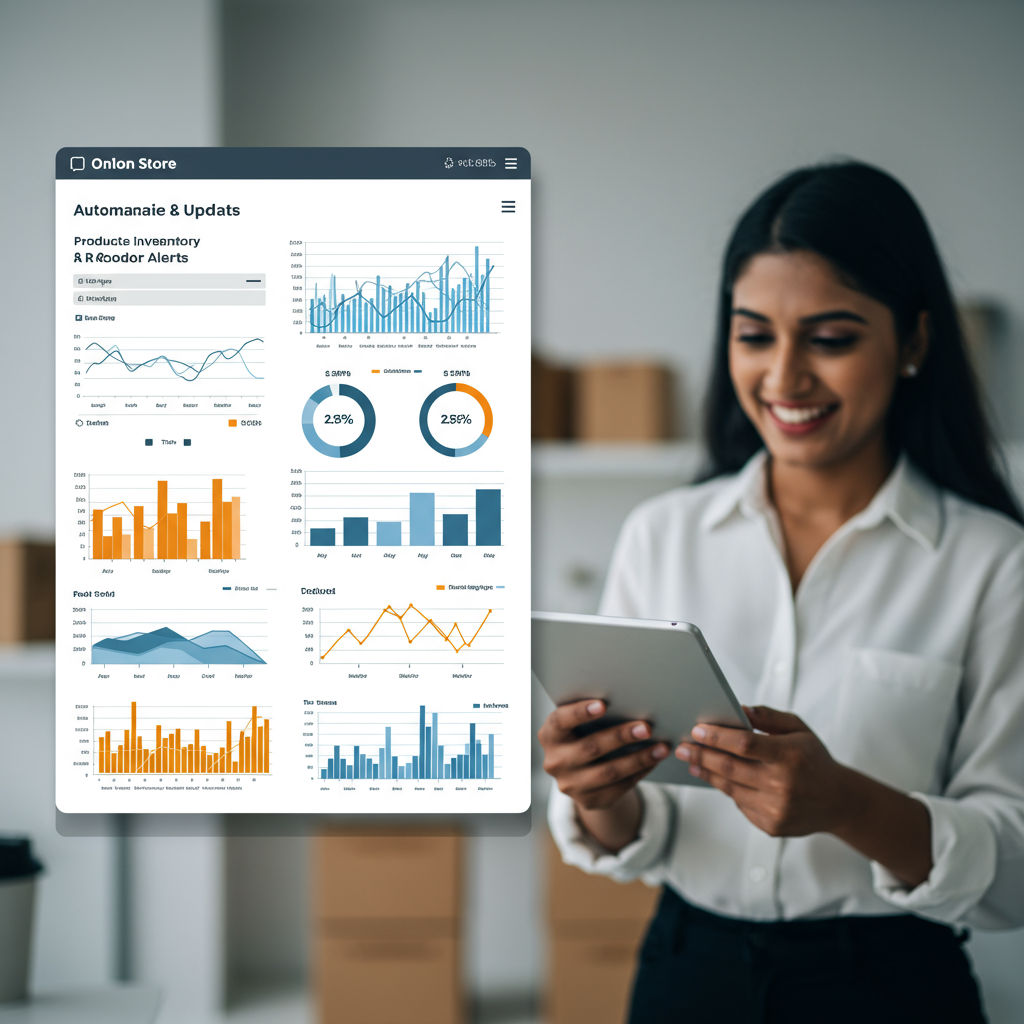
An e-commerce store with automated inventory updates and reorder alerts shown on a digital dashboard, with a happy business owner in the background

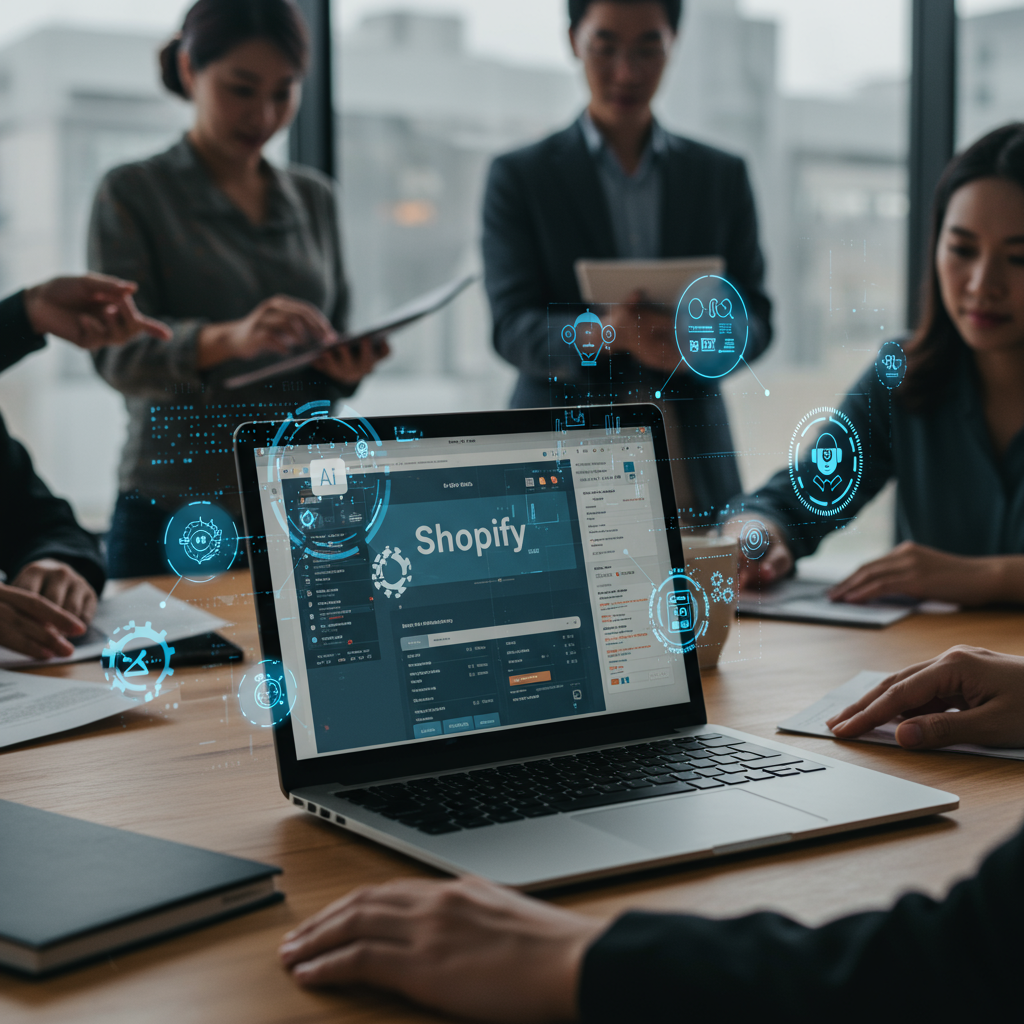
One notable case involved a small online retailer that integrated no-code AI agents for order management and customer communication. Consequently, they reduced order processing time by 50% and increased repeat business through personalised follow-ups. For more insights into how AI virtual employees transform customer service, read How AI Virtual Employees Transform Customer Service. Additionally, businesses seeking to boost customer engagement should explore How to Integrate AI Agents with CRM for SME Growth for practical integration strategies.
Implementing No-Code AI Agents for Non-Technical Users

Getting started with no-code AI agents is straightforward, even for those with no technical background. First, small business owners should evaluate their current workflows to identify areas where automation could deliver the greatest impact. Next, selecting the right platform is crucial – look for solutions that offer intuitive interfaces, robust support, and seamless integration with existing tools. Popular options include Zapier, Tidio, and Make, all of which are designed with non-technical users in mind.

Once a platform is chosen, basic setup steps typically involve connecting existing apps, defining triggers and actions, and testing the workflow to ensure it functions as intended. Best practices include starting with simple automations before gradually expanding to more complex processes. Furthermore, ongoing monitoring and optimisation are essential to maximise the benefits of AI agents for business efficiency. By following these steps, small businesses can quickly realise the advantages of no-code automation, empowering teams to innovate and scale without technical barriers.

Conclusion

No-code AI agents offer small businesses a practical, affordable way to cut costs and save time through automation. By adopting these tools, SMEs can enhance efficiency, improve customer experiences, and scale operations without technical barriers, positioning themselves for sustained growth in a competitive market.

Posted on Leave a comment

How to Integrate AI Agents with CRM for SME Growth

Diverse small business team collaborating with AI technology and CRM dashboards in a modern office environment, symbolising AI agents integrating with CRM for SME growth and automation.

Understanding AI Agents and CRM Systems

AI agents are intelligent software programs designed to perform tasks autonomously, making them invaluable for business automation. In the context of small and medium-sized enterprises (SMEs), these agents can handle repetitive and time-consuming processes, allowing teams to focus on strategic growth. CRM systems, on the other hand, are platforms that help businesses manage customer relationships, track interactions, and streamline sales pipelines. For SMEs, a robust CRM is essential for nurturing leads, tracking communications, and ensuring no opportunity slips through the cracks.

When AI agents are integrated with CRM systems, the result is a powerful synergy. AI can automate routine CRM tasks, such as data entry, lead scoring, and follow-up reminders, while also providing actionable insights based on customer data. This not only enhances data-driven decision-making but also ensures that SMEs remain agile and competitive. Popular CRM platforms like Salesforce, HubSpot, and Zoho now offer built-in AI capabilities or support seamless AI integration, making it easier than ever for SMEs to leverage these technologies.

A modern small business office with a computer screen displaying a CRM dashboard, AI assistant icons floating around, symbolising AI agents integrating with CRM systems for business automation

Key Benefits of Integrating AI Agents with CRM for SMEs

Integrating AI agents with CRM systems delivers a host of advantages for SMEs. Firstly, AI-powered CRM automation enables 24/7 customer support, ensuring that clients receive instant responses regardless of business hours. Furthermore, AI agents can automate repetitive tasks such as data entry, lead qualification, and appointment scheduling, freeing up valuable employee time. This not only boosts productivity but also reduces operational costs, as fewer manual resources are required.

Additionally, AI-driven CRM systems provide personalised marketing and sales recommendations, leveraging customer data to suggest targeted campaigns and offers. This level of personalisation increases conversion rates and enhances customer satisfaction. SMEs also benefit from improved scalability, as AI can handle increased workloads without the need for additional staff. According to recent studies, businesses that implement AI-CRM integration report up to a 30% reduction in customer service costs and a 25% increase in sales productivity. Consequently, SMEs gain a significant competitive edge in their respective markets.

Step-by-Step Guide to Integrating AI Agents with Your CRM

For SME owners, integrating AI agents with CRM systems may seem daunting, but the process can be straightforward with the right approach. Begin by assessing your business needs and identifying which processes could benefit most from automation. Next, select AI and CRM tools that are compatible and align with your business goals. Many leading CRM platforms offer native AI integrations or support APIs and webhooks for connecting third-party AI solutions.

Once you have chosen your tools, configure the integration by following vendor-provided guides or utilising plug-and-play connectors. Ensure that data security protocols are in place to protect sensitive customer information. After setup, thoroughly test the workflows to confirm that automation is functioning as intended. Most importantly, choose solutions that prioritise ease of use, so your team can manage and optimise workflows without technical barriers. For a more detailed walkthrough, see our Step-by-Step Guide to Integrating Agents24x7 with Your CRM.

Automating Sales and Marketing Workflows with AI Agents

AI agents excel at automating sales and marketing workflows within CRM systems. For example, they can qualify leads by analysing customer data and engagement patterns, ensuring that sales teams focus on the most promising prospects. Furthermore, AI can manage personalised campaigns, send timely follow-ups, and even schedule appointments automatically. This level of automation not only improves marketing ROI but also increases sales conversion rates, as prospects receive relevant communications at the right time.

A busy small business sales and marketing team using AI-powered tools on laptops and tablets, with visual elements representing automated workflows, lead management, and customer engagement

Customer segmentation is another area where AI agents shine, grouping customers based on behaviour, preferences, and purchase history. This enables SMEs to tailor their marketing efforts for maximum impact. Real-world examples show that SMEs leveraging AI-powered CRM automation tools for small business can double their lead conversion rates and significantly reduce manual workload. For further insights on how AI virtual employees transform customer service, visit How AI Virtual Employees Transform Customer Service.
Enhancing Customer Service and Engagement through AI-CRM Integration

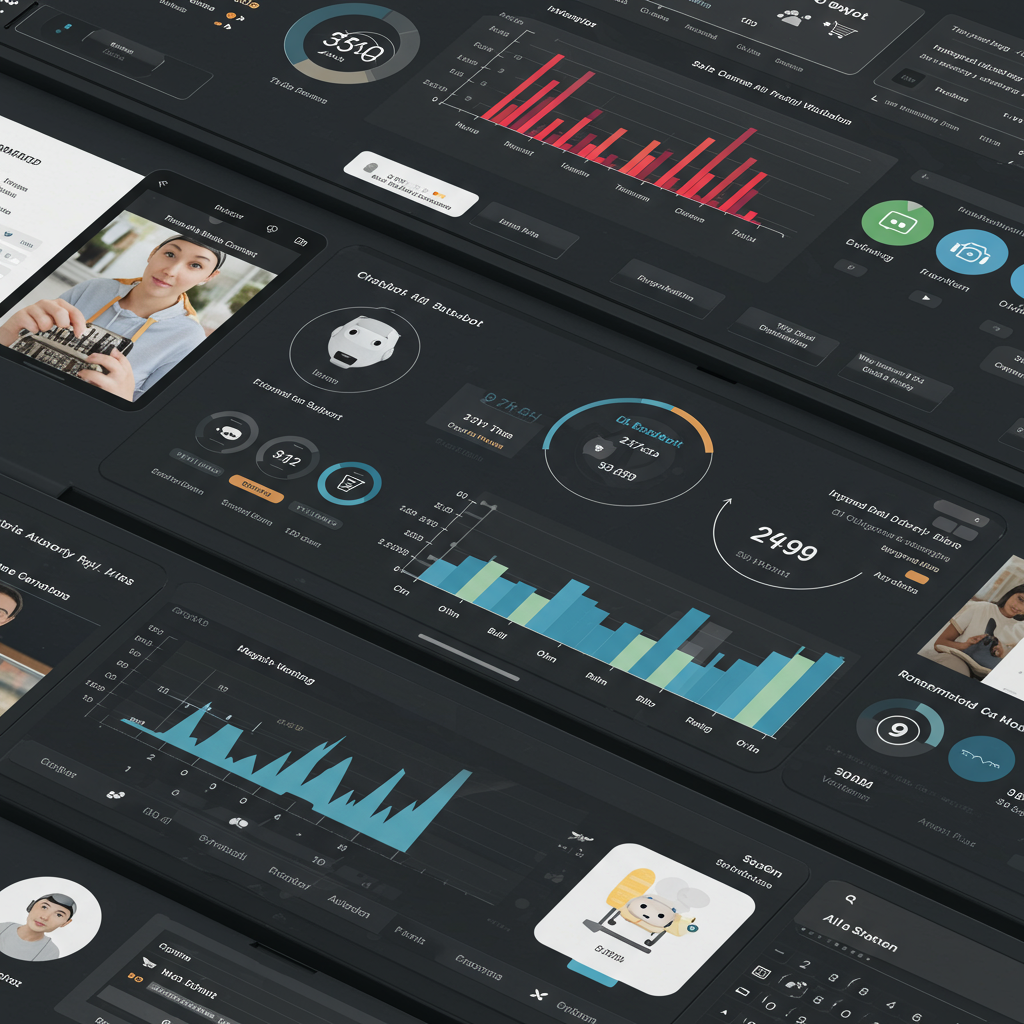
AI agents integrated with CRM systems revolutionise customer service by providing instant, accurate responses to inquiries via chatbots, email, or even voice assistants. Consequently, customers experience faster resolution times and more personalised interactions. AI can also manage and update customer data in real time, ensuring that support teams always have the latest information at their fingertips.

This enhanced service leads to higher customer satisfaction, improved retention rates, and increased engagement. For SMEs, the ability to deliver enterprise-level support without a large team is a game-changer. Furthermore, AI-CRM integration allows businesses to proactively address customer needs, anticipate issues, and deliver tailored solutions, fostering long-term loyalty and growth.

Choosing the Right AI and CRM Automation Tools for Your Small Business

Selecting the right AI agents and CRM automation tools is crucial for SME success. Start by evaluating platforms that offer seamless AI integration, such as Salesforce Einstein, HubSpot AI, and Zoho CRM with Zia. Consider factors like ease of use, pricing, scalability, and vendor support. It is also important to assess the reliability of the provider and ensure that the solution can grow with your business.

Look for tools that offer robust automation features, intuitive interfaces, and comprehensive support resources. Additionally, consider trial periods or demos to test functionality before committing. By carefully comparing options, SMEs can find solutions that align with their industry needs and growth objectives, ensuring long-term success in AI workflow automation for SMEs.

Measuring Success and Optimising AI-CRM Integration for Growth

To maximise the benefits of AI agents CRM integration, SMEs must track key performance metrics. Monitor customer response times, lead conversion rates, marketing ROI, and operational cost savings to gauge the impact of automation. Regularly review these metrics to identify areas for improvement and refine workflows accordingly.

Continuous optimisation is essential for sustaining growth. Update AI models to improve accuracy, adjust automation rules based on business needs, and solicit feedback from users to enhance usability. By adopting a data-driven approach, SMEs can ensure that their AI-CRM integration delivers ongoing value and supports their long-term growth ambitions.

Conclusion

Integrating AI agents with CRM systems offers SMEs a powerful way to automate workflows, enhance customer engagement, and drive growth efficiently. By choosing the right tools and following a clear integration process, small businesses can unlock significant benefits without technical complexity. Embracing AI virtual employee CRM automation is not just a trend – it is a strategic move that positions SMEs for sustainable success in an increasingly digital marketplace.