Posted on Leave a comment

AI Services Price Comparison: OpenAI, Google, Anthropic

Abstract digital illustration of AI technology with neural networks, data streams, and financial icons representing AI services price comparison for business and innovation

AI Services Price Comparison: OpenAI, Google, Anthropic & Agents24x7

In today’s rapidly evolving digital landscape, selecting the right AI platform is crucial for small and medium-sized enterprises (SMEs) aiming to maximise automation and efficiency. This comprehensive guide delivers a detailed AI services pricing comparison between leading providers – OpenAI, Anthropic, Google, Microsoft, and Agents24x7. We will break down pricing models, feature sets, and overall value, concluding why Agents24x7 stands out as the best ROI for SMEs seeking AI-driven automation.

Overview of AI Services Pricing Models

AI service providers employ a variety of pricing models to accommodate diverse business needs. The most common approach is token-based pricing, where users pay per token processed by language models. For instance, OpenAI and Anthropic both use this method, charging for input and output tokens. Tiered and subscription plans are also prevalent, offering predictable monthly costs and access to premium features. Blended pricing models – combining fixed fees with variable usage costs – are gaining traction, especially among providers like Agents24x7. Additionally, emerging models such as agentic seat pricing and output-based pricing reflect a shift towards value-aligned billing, ensuring businesses pay for actual outcomes rather than just usage. Consequently, these models help SMEs align costs with their automation goals, providing flexibility and transparency.

Business professionals analysing AI service pricing models with icons representing tokens and subscription plans in a modern office

Detailed Pricing Breakdown of OpenAI AI Services

OpenAI’s pricing structure is designed to cater to a wide range of business requirements. The company’s flagship GPT models, such as GPT-4 Turbo, operate on a token-based pricing system, with costs varying depending on the model’s capabilities and usage volume. For example, GPT-4 Turbo is priced per 1,000 tokens, with discounts available for high-volume or batch processing. OpenAI also offers image generation via DALL-E 3, which is billed per image, and Whisper for speech-to-text, priced per minute of audio processed. Subscription options, like ChatGPT Plus, provide enhanced access and priority support for a fixed monthly fee. Furthermore, businesses can benefit from fine-tuning and enterprise packages, which offer customisation and bulk discounts. This flexible pricing structure supports everything from small-scale experimentation to large-scale deployment, making OpenAI a versatile choice for businesses of all sizes.

Anthropic AI Pricing and Features Explained

Anthropic’s approach to AI pricing focuses on simplicity and transparency. The company offers several Claude models – Haiku, Sonnet, and Opus – each with distinct capabilities and pricing tiers. Charges are based on input and output tokens, with clear rates published for each model. Unlike OpenAI, Anthropic currently does not offer image or speech services, concentrating instead on advanced language models with some vision capabilities. This focus allows Anthropic to streamline its pricing, making it straightforward for businesses to estimate costs. When compared to OpenAI, Anthropic’s pricing philosophy emphasises predictability and ease of use, which is particularly advantageous for SMEs seeking to avoid unexpected expenses. However, the lack of multimodal services may limit its appeal for businesses requiring comprehensive AI solutions.

Google AI Pricing Comparison and Service Scope

Google’s AI offerings, including the Gemini models, are priced using a token-based system similar to OpenAI and Anthropic. Additionally, Google provides speech-to-text services, billed per minute, and developer tools like Gemini for Developers, which require a monthly subscription. Google’s strength lies in its multimodal AI capabilities, enabling businesses to leverage language, vision, and speech models within a single platform. This integrated approach is particularly beneficial for SMEs seeking end-to-end AI solutions. When compared to OpenAI and Anthropic, Google’s pricing is competitive, especially for organisations already invested in the Google Cloud ecosystem. However, businesses must carefully evaluate usage patterns to avoid unexpected costs, as token-based billing can escalate with high-volume deployments. For a deeper dive into Google’s pricing and how it compares to other platforms, see our AI Services Pricing Comparison for SMEs.

Agents24x7 Pricing Model and Value Proposition for SMEs

Agents24x7 distinguishes itself with a blended and performance-based pricing model tailored specifically for SMEs. This approach combines fixed monthly fees with variable usage or project-based costs, ensuring businesses only pay for what they need. Pricing ranges from affordable automation packages for routine tasks to high-end custom AI builds for complex workflows. The key advantage of Agents24x7 is its focus on delivering measurable ROI, with pricing aligned to business outcomes rather than raw usage. This model provides SMEs with predictable costs, flexibility to scale, and the assurance that investments in AI automation will drive tangible value. Compared to traditional token-based pricing, Agents24x7’s approach is more accessible and cost-effective for businesses prioritising automation and efficiency. To discover practical steps for automating customer service with AI, visit our guide on AI Virtual Employees: Automate Customer Service for SMEs.

Comparative Analysis of AI Pricing Models for SMEs

When comparing AI pricing models across OpenAI, Anthropic, Google, and Agents24x7, several key factors emerge for SMEs. Token-based models offer scalability and granularity, but can result in unpredictable costs as usage grows. Subscription and tiered plans provide stability, yet may lack the flexibility some businesses require. In contrast, blended models like those offered by Agents24x7 combine the best of both worlds: predictable base fees and scalable variable costs. This structure is particularly advantageous for SMEs with fluctuating workloads or evolving automation needs. Furthermore, Agents24x7’s focus on performance-based billing ensures that costs are directly tied to business value, maximising ROI. Ultimately, the choice of provider should be guided by budget, usage patterns, and desired automation outcomes. For a visual comparison of these models, see the chart below.

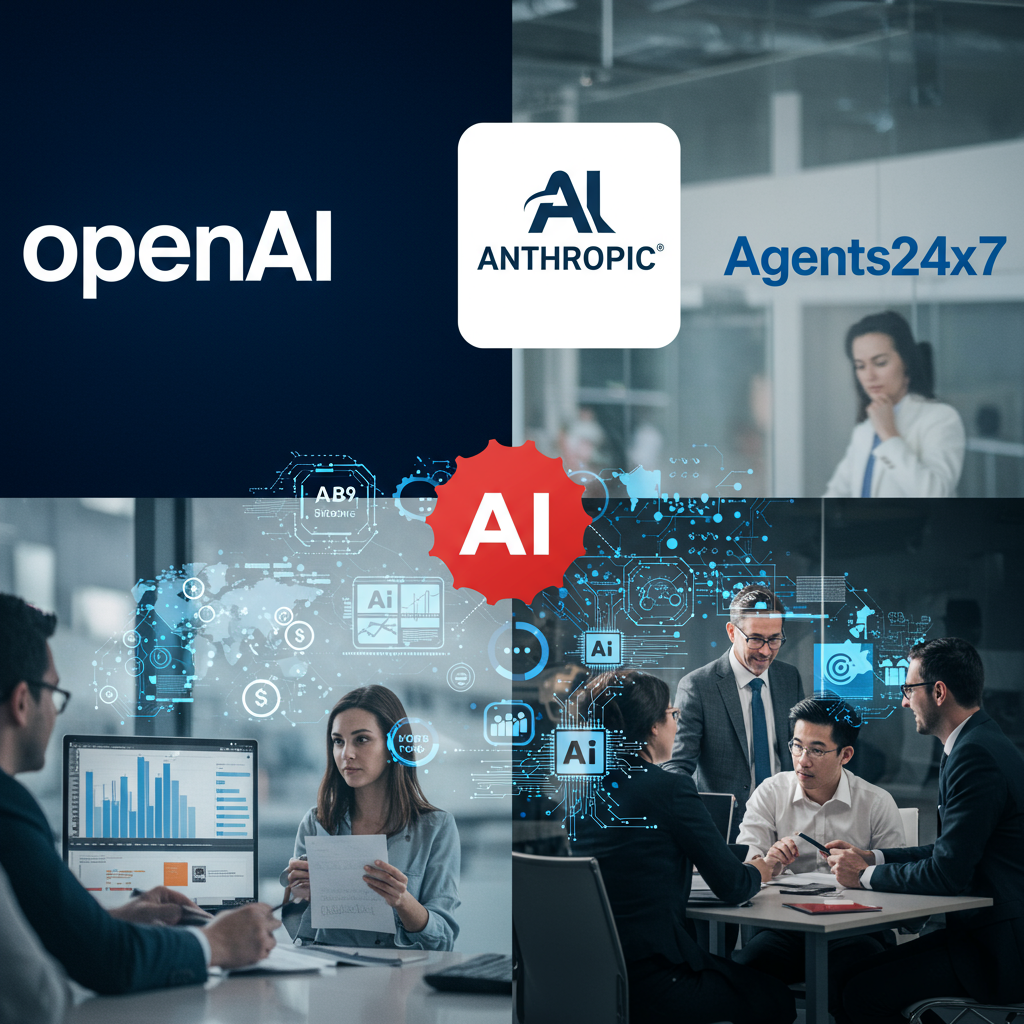
Logos of OpenAI, Anthropic, Google, and Agents24x7 with pricing charts and small business owners discussing AI solutions in a collaborative workspace

Conclusion: Choosing the Best AI Platform for SMEs

This AI services pricing comparison highlights the diversity of models available to SMEs. While OpenAI, Anthropic, and Google offer scalable, token-based pricing suited for a range of use cases, Agents24x7’s blended approach delivers unmatched ROI for businesses focused on automation. Selecting the right AI provider involves balancing cost, features, and business objectives. By understanding the nuances of each pricing model, SMEs can make informed decisions that drive growth and innovation in an increasingly AI-driven world.

Posted on Leave a comment

AI Services Pricing Comparison for SMEs

Diverse small business owners in a modern office discussing AI technology with digital icons representing AI services and automation around them

Introduction: AI Services Pricing Comparison for SMEs

Small and medium-sized enterprises (SMEs) are increasingly turning to artificial intelligence (AI) to boost productivity, automate tasks, and drive business growth. However, understanding the pricing structures of leading AI service providers – OpenAI, Anthropic, Google Vertex AI, and Agents24x7 – is crucial for making informed, budget-conscious decisions. This comprehensive guide compares the costs, features, and value propositions of these platforms, helping SMEs identify the most affordable AI automation tools and achieve the best return on investment (ROI).

Overview of AI Service Providers and Their SME Focus

OpenAI, Anthropic, Google Vertex AI, and Agents24x7 have each carved out a unique position in the AI services market, offering solutions tailored for small business needs. OpenAI is renowned for its advanced language models and accessible subscription plans, while Anthropic focuses on ethical, user-friendly AI with robust business integrations. Google Vertex AI stands out for its powerful vision and speech recognition capabilities, and Agents24x7 is rapidly gaining traction as an affordable, SME-focused provider of AI virtual employee solutions. Consequently, SMEs now have more options than ever to streamline operations and scale efficiently.

Small and medium-sized business owners discussing AI technology with digital AI service icons in a modern office setting

As SMEs seek to automate customer service, content creation, and other core functions, understanding each provider’s pricing model is essential. For a deeper dive into how AI virtual employees can transform SME customer service, read AI Virtual Employees: Automate Customer Service for SMEs.

Detailed Pricing Models of OpenAI for SMEs

OpenAI offers a blend of subscription and pay-as-you-go models, making it accessible for businesses of all sizes. The ChatGPT Plus plan is priced at $20/month, providing priority access and faster response times. For power users, ChatGPT Pro is available at $200/month, unlocking advanced capabilities and higher usage limits. Furthermore, OpenAI’s API pricing is based on token consumption, with costs varying by model:

Model Input Token Cost Output Token Cost
GPT-4o mini $0.0005/1K tokens $0.0015/1K tokens
GPT-4o $0.005/1K tokens $0.015/1K tokens

Additional services include DALL-E 3 for image generation (starting at $0.04 per image) and Whisper for speech-to-text (from $0.006 per minute). SMEs can estimate monthly costs by analysing their expected usage – consequently, OpenAI’s flexible pricing allows businesses to scale their AI spend as needed, ensuring strong value for money.

Anthropic Pricing and Features Tailored for Small Businesses

Anthropic’s pricing is designed to accommodate both small teams and growing businesses. The free tier offers limited daily messages, while Claude Pro is competitively priced at $20/month. For higher-volume needs, Claude Max starts at $100/month. API access is also token-based, with the following rates:

Model Input Token Cost Output Token Cost
Claude 3.5 Haiku $0.25/1M tokens $1.25/1M tokens
Claude Sonnet 4 $3/1M tokens $15/1M tokens
Claude Opus 4 $15/1M tokens $75/1M tokens

Unique features such as Claude Code for coding assistance and seamless Google Workspace integration further enhance Anthropic’s appeal for SMEs. As a result, businesses can automate workflows and improve productivity without exceeding budget constraints.

Google Vertex AI Pricing and SME Considerations

Google Vertex AI is positioned as a premium solution with advanced capabilities. The Gemini for Developers plan is priced at $19/user/month, while Gemini Pro Vision offers custom pricing for enterprise-grade vision AI. Token pricing for Gemini 1.5 Pro is as follows:

Service Input Token Cost Output Token Cost
Gemini 1.5 Pro $7/1M tokens $21/1M tokens
Speech-to-Text $0.006/15 seconds

Although Google’s token costs are higher, its specialised AI – such as vision and speech recognition – can deliver significant value for SMEs with specific requirements. However, businesses must carefully evaluate their usage patterns, as costs can escalate rapidly with high-volume operations. For a comprehensive comparison of AI-driven platforms, see Top SEO Automation Tools vs Agents24x7: Features & Pricing.

Agents24x7 Pricing Insights and SME Value Proposition

Agents24x7 is designed from the ground up for SMEs, offering AI virtual employee and automation solutions that are both cost-effective and scalable. While detailed pricing is not publicly disclosed, SMEs are encouraged to contact Agents24x7 directly for tailored quotes. This approach ensures businesses only pay for what they need, maximising ROI. Furthermore, Agents24x7’s platform integrates seamlessly with existing workflows, providing autonomy and flexibility that larger providers may lack.

By focusing on SME-specific needs, Agents24x7 delivers affordable AI automation tools that can reduce operational costs, improve efficiency, and drive sustainable growth.

Comparative Analysis and Choosing the Best AI Service for SMEs

Comparative visual of AI service platforms with pricing charts and subscription symbols for SME users in a professional environment

To help SMEs make an informed choice, here’s a side-by-side comparison of the four leading AI service providers:

Provider Subscription Cost Token Pricing Special Features
OpenAI $20–$200/month $0.0005–$0.015/1K tokens DALL-E 3, Whisper, flexible API
Anthropic Free–$100+/month $0.25–$75/1M tokens Claude Code, Workspace integration
Google Vertex AI $19/user/month $7–$21/1M tokens Vision, speech recognition
Agents24x7 Custom (contact for quote) Custom AI virtual employee, SME focus

When analysing the total cost of ownership, SMEs should consider not just subscription and token costs, but also the value of features, scalability, and integration with existing systems. OpenAI and Anthropic offer transparent, scalable pricing, while Google Vertex AI provides advanced capabilities at a premium. However, Agents24x7 stands out for its SME-centric approach, custom pricing, and comprehensive automation tools, making it the most cost-effective and scalable solution for small businesses.

Conclusion: Maximising ROI with the Right AI Platform

Understanding the pricing structures of OpenAI, Anthropic, Google Vertex AI, and Agents24x7 enables SMEs to make informed decisions about AI adoption. Each provider offers distinct value propositions and cost models, so SMEs should carefully assess their usage patterns and business goals to choose the most cost-effective and scalable AI service. Ultimately, Agents24x7 delivers the best return on investment for SMEs seeking autonomy, advanced features, and affordable AI automation tools tailored to their unique needs.

Posted on Leave a comment

How to Build AI Agents Without Coding: A Beginner’s Guide

Diverse small business owners collaborating in a modern office with digital AI and automation icons symbolising no-code AI agents for business growth and automation

Introduction

Discover how non-technical SME owners can create AI agents to automate marketing, sales, and customer service tasks without coding. This guide covers no-code platforms, practical examples, and tips to maximise business growth with AI automation. As AI workflow automation tools for SMEs become more accessible, small business owners can now leverage these innovations to drive efficiency and growth – no programming required.

Understanding AI Agents and Their Benefits for SMEs

AI agents are intelligent digital assistants designed to perform tasks autonomously, going far beyond the capabilities of traditional chatbots. While chatbots typically answer simple queries, AI agents can automate complex workflows, handle multi-step processes, and integrate with various business tools. For SMEs, the benefits are substantial: AI agents automate repetitive tasks, improve customer engagement, and boost operational efficiency. Furthermore, these solutions are now accessible to non-technical users thanks to no-code AI agent building platforms. Consequently, small businesses can harness AI to accelerate growth, reduce manual workload, and deliver better customer experiences without hiring developers.

A small business owner using a laptop with AI digital assistant icons around, symbolising AI agents helping with marketing, sales, and customer service automation in a modern office setting

To see real-world examples of SMEs succeeding with AI agents, read Agents24x7 SME Success: Real AI Agent Stories for actionable insights and proven strategies.

Choosing the Right No-Code Platform for Building AI Agents

When it comes to no-code AI agent building, several platforms stand out for SMEs. Tools like n8n, AutoGen Studio, Lindy, and AgentGPT offer drag-and-drop interfaces, pre-built templates, and seamless integration with popular business tools such as Gmail, Slack, and Airtable. These features make it easy for beginners to get started. However, it’s crucial to evaluate each platform’s strengths: look for user-friendly interfaces, robust integration capabilities, and a library of templates tailored to your industry. Additionally, consider the scalability and support offered, as your business needs may evolve. Selecting the right platform ensures you can automate business tasks with AI agents efficiently and confidently.

Defining Your AI Agent’s Purpose and Workflow

Before building your AI agent, identify the repetitive or time-consuming tasks within your business that could benefit from automation. For example, lead qualification, customer support triage, scheduling, or data analysis are all ideal candidates. Clearly defining your agent’s goals is essential for success. Next, map out the workflow visually using no-code tools – connect inputs (like email or web forms), AI models (such as GPT-4), and outputs (like CRM updates or notifications). This approach ensures your AI virtual employee setup guide is both strategic and practical, enabling you to automate processes effectively and reliably.

A diverse group of people collaborating around a table with digital workflow diagrams and AI technology icons, representing the process of defining AI agent workflows and automating business tasks

Step-by-Step Guide to Building and Deploying Your AI Agent

Building an AI agent with a no-code platform is straightforward, even for beginners. Start by setting up your workspace on the chosen platform. Next, create workflows using drag-and-drop components, connecting triggers (like incoming emails) to AI-powered actions (such as analysing content or generating responses). Integrate AI capabilities by selecting pre-built models or connecting to external APIs. Test your agent with sample data to ensure it behaves as expected, then refine its workflow for optimal performance. Finally, deploy your agent to automate real business tasks. Remember to monitor its performance and iterate as needed. Common pitfalls include overcomplicating workflows or neglecting data privacy – so keep things simple and secure.

For further inspiration and a deeper dive into no-code AI agent building, check out How to Build AI Agents Without Coding for more practical workflows and real-world automation examples.

Integrating AI Agents into Your Business Ecosystem

Integrating AI agents with your existing business tools is key to maximising efficiency. Connect your agent to CRM systems, Google Calendar, Slack, and Airtable to create seamless automation across departments. Best practices include ensuring smooth data flow, maintaining data security, and regularly reviewing integrations for potential improvements. For instance, AI agents can act as virtual employees – handling marketing automation, sales follow-ups, and customer service tasks – thereby freeing your team to focus on strategic growth. As a result, your business benefits from streamlined operations and enhanced productivity.

Maximising Business Growth with AI Workflow Automation

AI workflow automation tools for SMEs offer more than just task automation – they can transform your business. By leveraging AI agents, you can enhance customer experience, generate actionable insights from data, and free up human resources for higher-value activities. Furthermore, continuously improving your AI workflows and scaling automation as your business evolves is essential. Regularly review performance metrics, gather feedback from users, and explore new automation opportunities to stay ahead of the competition. With the right strategies, AI agents for small business growth become a powerful driver of operational excellence and innovation.

Conclusion

Building AI agents without coding empowers SMEs to automate key business functions efficiently. By choosing the right no-code platform, defining clear workflows, and integrating AI agents into existing systems, small businesses can unlock growth and operational excellence with minimal technical barriers. Embrace AI workflow automation today and transform your business for the future.

Posted on Leave a comment

How AI Agents Simplify Compliance Automation for SMEs

Diverse group of SME professionals collaborating with AI technology on compliance automation in a modern office setting

How AI Agents Simplify Compliance Automation for SMEs

AI compliance automation for SMEs is rapidly transforming how small and medium-sized enterprises manage regulatory requirements. By leveraging AI agents, businesses can reduce manual effort, minimise risks, and ensure seamless regulatory adherence – without the need for deep technical expertise. In this article, we explore practical strategies, unique benefits, and future trends in AI-driven compliance automation for SMEs, while highlighting actionable insights for business growth and operational efficiency.

Understanding Compliance Challenges Faced by SMEs

Small and medium-sized enterprises (SMEs) face a unique set of compliance challenges. Limited resources, complex and evolving regulations, and the high cost of manual compliance management often create significant hurdles. For instance, SMEs must navigate data protection laws such as GDPR and CCPA, as well as industry-specific regulations and stringent audit requirements. Furthermore, the pace at which regulations change can be overwhelming, especially for businesses without dedicated compliance teams. Consequently, traditional compliance methods – often reliant on manual processes – prove inefficient and risky, increasing the likelihood of costly errors and non-compliance penalties.

A small business office with diverse employees using AI-driven compliance automation tools on computers, showing a modern and efficient work environment

Moreover, SMEs frequently struggle to keep up with documentation, reporting, and audit trails, which are essential for demonstrating regulatory adherence. As a result, many businesses are seeking innovative solutions to streamline compliance and reduce the burden on internal teams.

How AI Agents Automate Compliance Tasks for SMEs

AI agents for risk management and compliance automation workflow offer SMEs a powerful way to automate and optimise compliance processes. These advanced tools provide real-time regulatory monitoring, automated document and contract analysis, audit readiness, and comprehensive reporting. By continuously scanning for regulatory changes, AI agents can instantly flag compliance gaps, ensuring businesses remain up-to-date with the latest requirements. Additionally, automation minimises human error, saves valuable time, and improves overall accuracy.

An AI virtual employee analysing compliance documents and monitoring regulatory changes in real-time for a small or medium-sized enterprise, futuristic and professional setting

For example, AI virtual employee compliance solutions can automatically review contracts for regulatory clauses, generate audit-ready reports, and provide actionable insights for compliance officers. As a result, SMEs can focus on core business activities while maintaining robust compliance standards. For a deeper dive into how AI virtual employees empower SMEs, see AI Virtual Employees Compliance Automation for SMEs.

Practical Tips for Implementing AI Compliance Automation Without Technical Expertise

Adopting AI compliance solutions for SMEs does not require advanced technical skills. To begin, select user-friendly AI compliance automation tools that integrate smoothly with existing business software. Start by automating high-impact compliance tasks, such as data privacy management or regulatory reporting. Furthermore, provide thorough training for staff on how to use these AI tools effectively, and leverage vendor support for onboarding and troubleshooting. Importantly, choose scalable and affordable AI solutions designed specifically for SMEs, ensuring that your investment grows with your business needs.

Additionally, consider solutions that offer intuitive dashboards and real-time alerts, making it easier for non-technical users to monitor compliance status and respond to issues proactively. By following these steps, SMEs can quickly realise the benefits of compliance automation without the complexity or cost traditionally associated with enterprise software.

Unique Benefits of AI Compliance Automation for SMEs

AI compliance automation delivers a range of advantages for SMEs. Firstly, it significantly reduces compliance costs by automating labour-intensive tasks and minimising the need for external consultants. Secondly, it helps businesses avoid fines and penalties by ensuring continuous regulatory adherence and rapid response to changes. Moreover, AI governance automation enables SMEs to free up internal resources, allowing teams to focus on innovation and growth rather than administrative tasks.

Furthermore, AI agents for risk management enhance operational efficiency by providing predictive analytics and actionable insights. This proactive approach to compliance not only mitigates risk but also supports better decision-making. For more information on agentic AI and governance in automation, visit Agentic AI for Compliance: Governance in Automation.

Future Trends in AI-Driven Compliance for Small and Medium Businesses

The future of AI compliance automation for SMEs is shaped by several emerging trends. Agentic AI, which enables adaptive and goal-directed workflows, is becoming increasingly prevalent. This technology allows AI agents to autonomously manage complex compliance tasks, further reducing manual intervention. Additionally, deeper integration with business systems and enhanced predictive analytics are empowering SMEs to anticipate regulatory changes and manage risks more effectively.

As AI technology continues to advance, SMEs will benefit from even greater automation, improved accuracy, and continuous compliance monitoring. Consequently, businesses can maintain regulatory adherence with minimal disruption, positioning themselves for sustainable growth and innovation in a competitive landscape.

Conclusion

AI agents are revolutionising compliance automation for SMEs by simplifying complex regulatory tasks, reducing risks, and cutting costs. By adopting AI-driven compliance solutions, SMEs can ensure continuous adherence to regulations without technical complexity, allowing them to focus on growth and innovation confidently.

  • Keywords: AI compliance automation for SMEs, AI virtual employee compliance, automated compliance tools for small business, AI governance automation, SME compliance automation benefits, AI agents for risk management, compliance automation workflow, AI compliance solutions for SMEs
Posted on Leave a comment

Integrate AI Agents with CRM for SME Growth

Diverse small business professionals collaborating with AI technology and CRM interfaces in a modern office, symbolising AI integration for SME growth and automation.

Introduction

Integrating AI agents with CRM systems is rapidly transforming how small and medium-sized enterprises (SMEs) automate marketing, sales, and customer service workflows. By leveraging AI workflow automation tools for SMEs, businesses can streamline operations, save time, and deliver highly personalised customer experiences. This guide provides practical steps and insights for non-technical users, empowering you to boost efficiency and drive sustainable growth by learning how to automate CRM with AI.

Understanding the Role of AI Agents in CRM for SMEs

AI agents are intelligent software programs designed to perform tasks autonomously, making them invaluable for SMEs aiming to optimise their CRM integration with AI agents. Within CRM systems, AI agents automate routine processes such as data entry, lead scoring, customer segmentation, and personalised outreach. Consequently, SMEs can focus on strategic initiatives rather than manual, repetitive work.

Furthermore, AI agents for marketing automation enable businesses to deliver timely, relevant communications to customers, enhancing engagement and satisfaction. By automating sales and customer service workflows, SMEs benefit from faster response times, improved data accuracy, and a more cohesive customer journey. Ultimately, integrating AI agents with CRM systems is essential for SMEs seeking to enhance operational efficiency and build stronger customer relationships.

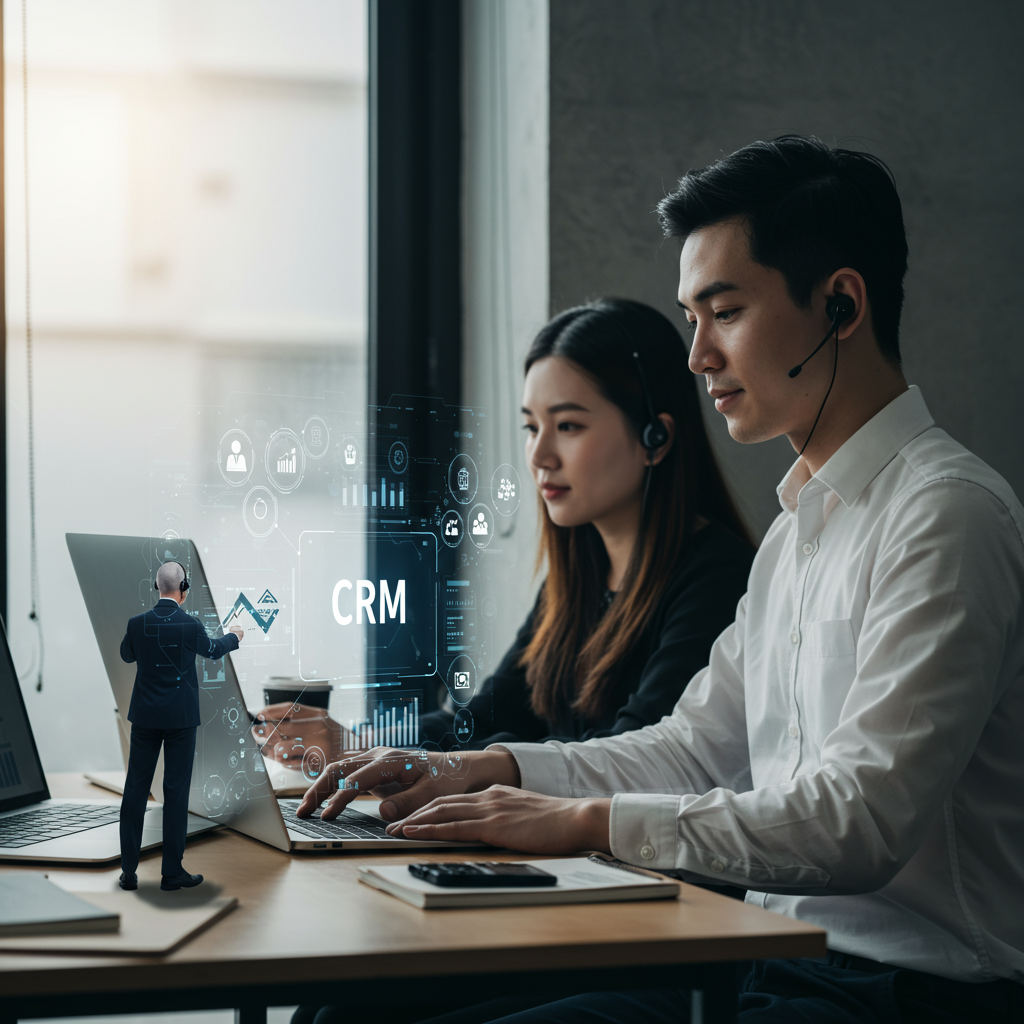
A modern small business office with AI agents working on CRM systems, showing automation of marketing, sales, and customer service workflows, diverse team collaborating with technology, digital interface with customer data and analytics, futuristic but realistic style

Defining Business Use Cases and Objectives for AI Integration

Before implementing AI workflow automation tools for SMEs, it is crucial to define clear business use cases and objectives. Start by identifying repetitive tasks that consume valuable resources, such as automating lead follow-ups, improving customer support, or enhancing sales analytics. For example, AI virtual employees can automatically qualify leads and assign them to the appropriate sales representatives, ensuring no opportunity is missed.

Setting measurable KPIs is equally important. Track metrics like time saved, conversion rates, and customer satisfaction to evaluate the success of your AI-driven CRM integration. By establishing these objectives upfront, SMEs can ensure that AI agents deliver tangible value and align with broader business goals. For further guidance on building AI agents without technical expertise, explore our related article How to Build AI Agents Without Coding.

Selecting the Right AI Agent Framework and Tools Compatible with CRM

Choosing the appropriate AI agent framework is vital for seamless CRM integration with AI agents. Popular options include LangChain, which offers flexible API and memory management, and Microsoft Semantic Kernel, ideal for .NET environments. When selecting a framework, consider compatibility with your existing CRM technology stack, ease of use for non-technical users, and scalability for future growth.

Additionally, evaluate whether the AI workflow automation tools for SMEs support integration with other business applications, such as email marketing platforms or analytics tools. This ensures a unified customer view and maximises the benefits of AI agents for marketing automation. For SMEs seeking to automate customer service, our article AI Virtual Employees: Automate Customer Service for SMEs provides practical insights and platform comparisons.

Step-by-Step Guide to Integrate AI Agents with Your CRM System

Integrating AI agents with your CRM system may seem daunting, but following a structured approach simplifies the process. Here is a practical, step-by-step guide for SMEs:

  1. Define Use Cases: Identify specific workflows where AI can add value, such as lead scoring or automated follow-ups.
  2. Select Frameworks: Choose AI agent tools compatible with your CRM and business needs.
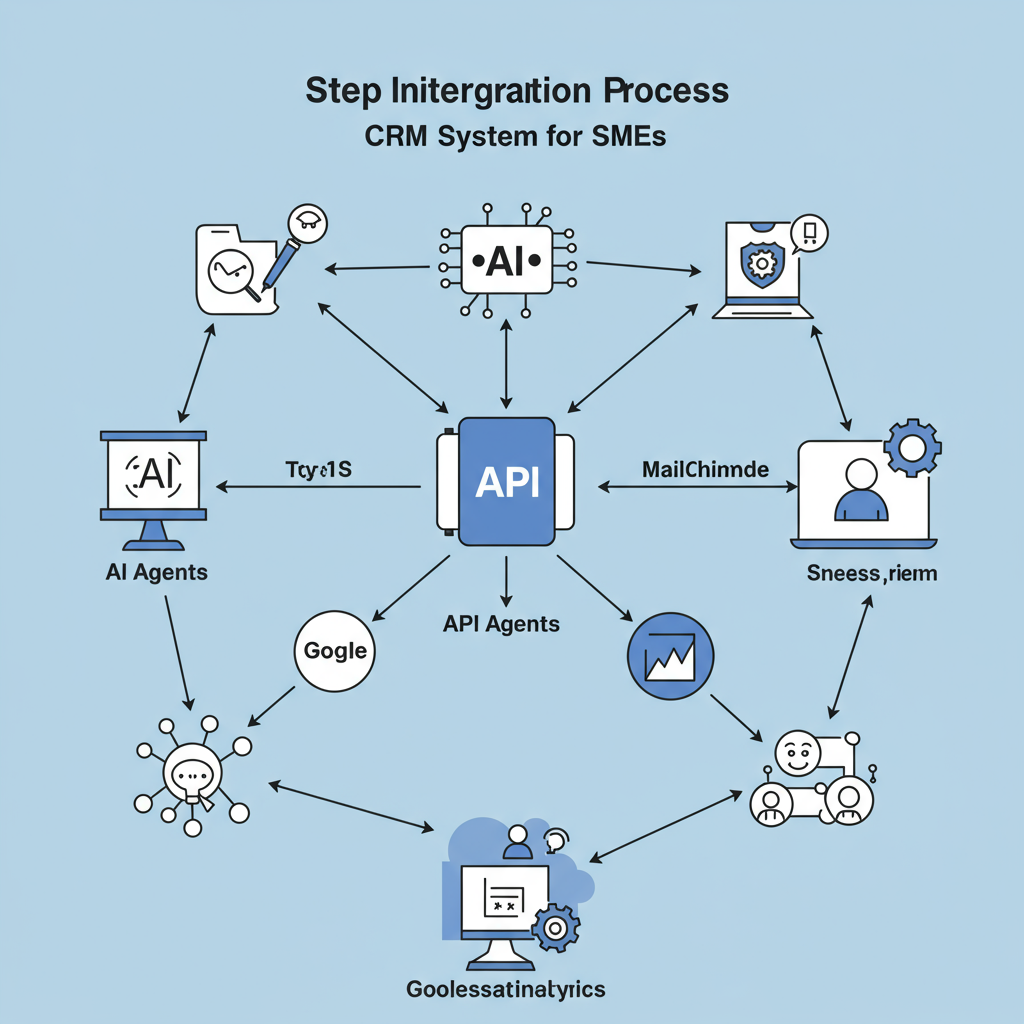
  3. Connect via APIs: Use APIs to link AI agents with your CRM, ensuring seamless data flow and real-time updates.
  4. Integrate with Other Tools: Connect your AI-enhanced CRM with business applications like Google Analytics and Mailchimp for a comprehensive customer view.
  5. Test and Optimise: Continuously monitor performance and refine workflows to maximise efficiency.

Moreover, it is essential to involve key stakeholders throughout the integration process, ensuring alignment with business objectives and user adoption. By following these steps, SMEs can unlock the full potential of AI workflow automation tools for small business growth.

A step-by-step integration process of AI agents with CRM systems for SMEs, showing connection of AI to CRM via APIs, data flow between systems, and integration with other business tools like Google Analytics and Mailchimp, professional and clear visual style

Maximising Benefits of AI Agents for SME Growth

Once AI agents are integrated with your CRM, SMEs can experience a range of transformative benefits. Improved efficiency and faster data access enable teams to respond to customer needs more effectively. Enhanced personalisation, driven by AI agents for marketing automation, leads to higher engagement and satisfaction.

For instance, Salesforce Einstein AI has demonstrated significant improvements in conversion rates and customer satisfaction for SMEs adopting AI-driven CRM solutions. Furthermore, AI agents empower businesses to scale operations without increasing headcount, making workflow automation for small business both cost-effective and sustainable. By leveraging AI virtual employees for sales automation, SMEs can focus on strategic growth initiatives while maintaining exceptional customer service.

Measuring Performance and Optimising AI-Driven CRM Workflows

To ensure ongoing success, SMEs must measure the performance of AI agents within their CRM systems. Key performance indicators such as engagement increase, sales growth, and customer satisfaction provide valuable insights into the effectiveness of AI workflow automation tools for SMEs. Regularly reviewing these metrics allows businesses to identify areas for improvement and optimise workflows accordingly.

Moreover, continuous optimisation is essential for adapting to evolving customer needs and market trends. By staying proactive and leveraging data-driven insights, SMEs can maintain a competitive edge and drive sustained business growth through AI-driven CRM integration.

Conclusion

Integrating AI agents with CRM systems is a game-changer for SMEs seeking to automate workflows and enhance customer engagement. By following clear steps, selecting the right tools, and measuring performance, businesses can unlock significant efficiency gains and drive growth through personalised, data-driven customer experiences. Embrace the future of workflow automation for small business and position your SME for long-term success.

Posted on Leave a comment

OpenAI Agents vs Agents24x7: AI Employees Compared

Diverse professionals in a modern office interacting with futuristic AI digital assistants, representing autonomous AI employees and AI agent platforms integration for SMEs.

OpenAI Agents vs Agents24x7 Autonomous AI Employees Compared

Small and medium-sized enterprises (SMEs) are increasingly turning to autonomous AI employees to streamline operations, boost productivity, and stay competitive. Two leading platforms in this space – OpenAI Agents and Agents24x7 – offer unique approaches to AI workforce automation. This article explores their differences, focusing on features, autonomy, integration, and business value for SMEs and non-technical users. By the end, you’ll know which AI agent platform best suits your business needs.

Understanding OpenAI Agents and Their Capabilities

OpenAI Agents, particularly in ChatGPT Agent Mode, represent a new era of general-purpose autonomous AI assistants. These agents are designed to handle complex, multi-step business tasks with remarkable efficiency. For example, they can integrate with multiple tools such as Google Drive, web browsing, APIs, code execution, and spreadsheet manipulation. Consequently, OpenAI Agents are capable of executing intricate workflows like financial analysis, marketing attribution, and even real estate planning – all without constant human intervention.

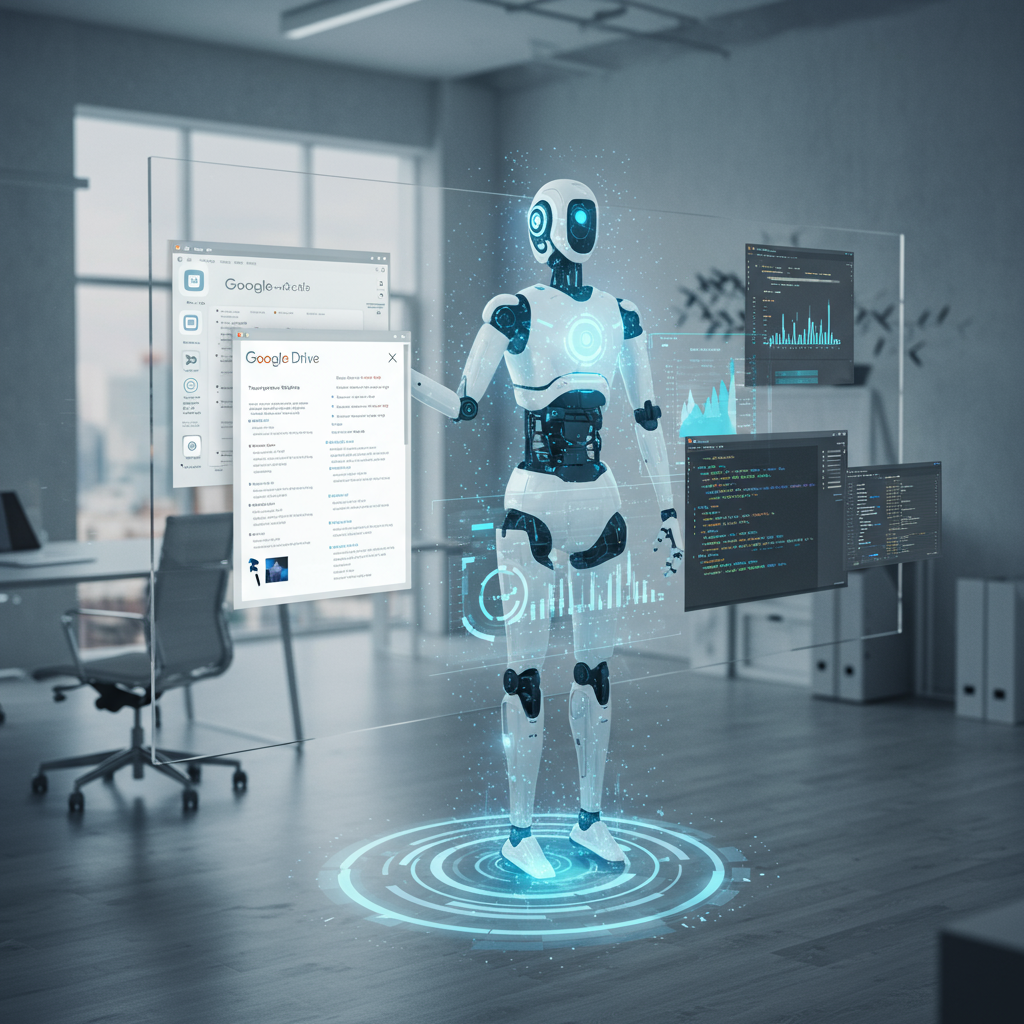
A futuristic AI assistant working on multiple digital tools like Google Drive, web browsing, code execution, and spreadsheets, symbolising advanced autonomous AI capabilities in a business environment

Available to Pro, Plus, and Team users, OpenAI Agents augment human productivity by automating repetitive and complex tasks. Furthermore, their multi-tool integration allows businesses to automate workflows that previously required several employees or freelancers. If you’re interested in a deeper comparison, see OpenAI Agents vs Agents24x7 Autonomous AI Employees for a comprehensive overview.

Overview of Agents24x7 Autonomous AI Employees

Agents24x7 offers a platform of autonomous AI employees designed to operate 24/7, providing continuous support without breaks. Unlike traditional digital assistants, these AI employees are scalable and can act as a digital workforce replacement for freelancers or full-time staff. Their core value lies in operational continuity and the ability to execute tasks around the clock, which is a significant advantage for SMEs seeking to maximise productivity and minimise downtime.

A digital workforce of autonomous AI employees operating 24/7 in a small business setting, showing calendar integration, task management, and continuous workflow automation for SMEs

Agents24x7 is tailored for non-technical small business owners, offering advanced task management and seamless calendar integration. Although public technical details are limited, the platform’s practical business value is evident in its focus on SME operational needs. For a detailed side-by-side analysis, check out Agents24x7 vs OpenAI: AI Agents for SMEs.

Comparing Levels of Autonomy and Task Complexity

When comparing OpenAI Agents and Agents24x7, autonomy and task complexity are crucial differentiators. OpenAI Agents excel at handling complex, multi-step tasks that require advanced reasoning and planning. For instance, they can perform financial portfolio analysis, marketing modelling, and other sophisticated business operations. In contrast, Agents24x7 focuses on continuous, scalable task execution, making it ideal for businesses that require uninterrupted operational support.

For SMEs, these differences have significant implications. OpenAI Agents are better suited for scenarios where decision-making and the management of diverse workflows are essential. However, Agents24x7 shines in environments where operational continuity and scalability are paramount, offering a reliable digital workforce that can handle routine and ongoing tasks without fatigue.

Integration Capabilities and Workflow Automation

Integration capabilities are vital when evaluating AI workflow automation tools for small businesses. OpenAI Agents offer deep integration with popular tools such as Google Drive, Gmail, GitHub, and more. Their ability to browse the web, execute code, and manipulate spreadsheets enables them to automate a wide range of business processes. Furthermore, these integrations empower SMEs to streamline operations and reduce manual workload.

On the other hand, Agents24x7 emphasises AI task management integration and calendar syncing, specifically tailored for small business workflows. This focus allows SMEs to automate scheduling, task delegation, and workflow management with minimal technical expertise. The practical benefit is a smoother, more efficient operation that supports business growth and agility.

Business Value and Use Cases for SMEs

Both platforms deliver substantial business value, but their strengths cater to different SME needs. OpenAI Agents are ideal for complex business scenarios, such as financial portfolio analysis, marketing attribution, and strategic planning. Their advanced autonomy and integration capabilities make them a powerful tool for businesses seeking to automate high-level, multi-step processes.

Conversely, Agents24x7 positions itself as a scalable, always-on AI workforce, perfect for continuous operational tasks like customer support, order processing, and administrative management. This makes it an excellent choice for SMEs looking to scale their digital workforce without increasing headcount. Real-world examples include AI virtual employees managing calendars, automating reminders, and handling repetitive business operations, all of which contribute to SME growth and efficiency.

Choosing the Right AI Agent Platform for Your Small Business

For SMEs and non-technical business owners, selecting the right AI agent platform hinges on several factors. Consider the complexity of your business tasks, the level of integration required, ease of use, scalability, and your overarching business goals. OpenAI Agents are best for businesses needing advanced task automation and deep tool integration, while Agents24x7 is ideal for those prioritising continuous operational support and straightforward task management.

When evaluating AI workflow automation tools, pay close attention to calendar and task management integration, as these features can significantly enhance operational efficiency. Ultimately, the right choice will depend on your business’s unique needs and the specific challenges you aim to address with autonomous AI employees.

Conclusion

In summary, OpenAI Agents provide advanced, versatile AI autonomy with deep integrations for complex business tasks, making them a top choice for SMEs seeking to automate sophisticated workflows. In contrast, Agents24x7 delivers scalable, always-on AI employees focused on continuous operational support, ideal for businesses aiming to maximise efficiency and minimise downtime. SMEs should assess their needs for task complexity versus scalability and integration to ensure they select the platform that delivers the greatest business value.

Posted on Leave a comment

AI Virtual Employees Compliance Automation for SMEs

A diverse group of small business professionals collaborating with digital holograms representing AI and compliance automation in a modern office setting.

AI Virtual Employees Compliance Automation for SMEs

Discover how AI virtual employees can revolutionise compliance automation for small and medium-sized enterprises, simplifying governance, risk management, and audit readiness without technical complexity.

Understanding AI Compliance Automation and Its Benefits for SMEs

AI compliance automation refers to the use of intelligent systems and virtual employees to manage, monitor, and enforce regulatory requirements within small and medium-sized enterprises (SMEs). These AI virtual employees operate as digital assistants, automating manual compliance tasks, ensuring up-to-date regulatory adherence, and providing real-time insights. Consequently, SMEs benefit from improved accuracy, reduced human error, and significant time savings. Furthermore, these solutions are designed with user-friendly interfaces, making them accessible even for non-technical business owners. As a result, operational efficiency is enhanced and risk is substantially reduced, allowing SMEs to focus on growth rather than compliance headaches.

A friendly AI virtual employee assisting a small business owner with compliance automation on a computer, showing a modern office environment with digital compliance dashboards and notifications.

For a deeper dive into how agentic AI ensures compliance and risk management, visit Agentic AI for Compliance: Governance in Automation, which explores strategies for audit trails and transparency in AI workflows.

Key Features of AI Virtual Employees in Compliance Governance

AI virtual employees offer several advanced features that support compliance governance for SMEs. These include real-time policy monitoring, automated compliance workflows, and instant responses to employee compliance queries. Additionally, AI audit trails provide transparent records of every compliance action, which is invaluable during audits. These features ensure continuous compliance and simplify governance, risk, and compliance (GRC) management. Moreover, by leveraging automated risk management and AI workflow compliance, SMEs can maintain regulatory standards effortlessly and adapt swiftly to new requirements.

Practical Steps to Implement AI Compliance Automation in SMEs

Implementing AI compliance automation in an SME may seem daunting, but with the right approach, it is straightforward and scalable. Follow these steps:

  1. Select the right AI compliance tools: Research solutions tailored for SMEs, focusing on user-friendly platforms that integrate with existing systems.
  2. Integrate AI virtual employees into workflows: Seamlessly embed AI agents into daily operations to handle compliance checks and reporting.
  3. Train staff: Provide basic training so employees understand how to interact with AI compliance tools and virtual employees.
  4. Set up automated risk management and audit readiness: Configure the system to monitor risks and prepare audit documentation automatically, ensuring ongoing compliance.

A small business owner implementing AI compliance automation with a team, integrating AI virtual employees into workflows, with visual elements of digital risk management and audit readiness in a collaborative office setting.

For SMEs looking to automate customer service alongside compliance, AI Virtual Employees: Automate Customer Service for SMEs provides practical steps and platform comparisons to ensure business growth and compliance.

Overcoming Challenges and Ensuring Successful AI Compliance Adoption

Despite the clear benefits, SMEs may encounter challenges when adopting AI compliance automation. Common concerns include data privacy, change management, and initial setup costs. However, these barriers can be overcome by choosing reputable AI compliance tools with robust security features, engaging staff early in the adoption process, and leveraging scalable solutions that grow with the business. Furthermore, best practices such as regular training, transparent communication, and phased implementation ensure smooth adoption and maximise the benefits of AI virtual employee compliance.

Future Trends in AI Governance Automation for Small Businesses

The future of AI governance automation for SMEs is bright, with several emerging trends set to transform compliance management. Enhanced AI audit trail capabilities, deeper integration with broader business automation tools, and adaptation to evolving regulatory landscapes will further empower SMEs. Consequently, AI virtual employees will become even more indispensable, helping SMEs stay ahead of regulatory risks and future-proof their operations. By embracing these innovations, small businesses can ensure they remain compliant, competitive, and ready for growth in an increasingly complex regulatory environment.

Conclusion

AI virtual employees offer SMEs a powerful, accessible way to automate compliance and governance, reducing risks and improving audit readiness. By embracing AI compliance automation, small businesses can streamline operations, ensure regulatory adherence, and focus more on growth without technical complexity.

  • Keywords: AI compliance automation, AI virtual employee compliance, compliance automation for SMEs, AI governance automation, automated risk management, AI audit trails, AI compliance tools for small business, AI workflow compliance
Posted on Leave a comment

AI Virtual Employees: Automate Customer Service for SMEs

Diverse small business team collaborating with AI virtual assistant holograms in a modern office, symbolising customer service automation and digital innovation.

AI Virtual Employees: How SMEs Can Automate Customer Service

In today’s fast-paced digital economy, small and medium-sized enterprises (SMEs) face mounting pressure to deliver seamless, responsive customer service while keeping operational costs in check. AI virtual employees for customer service automation are rapidly emerging as a transformative solution, enabling SMEs to automate routine tasks, enhance customer satisfaction, and compete with larger players. This guide explores how non-technical business owners can harness AI-driven automation, implement best practices, and ensure compliance, all while reaping tangible business benefits.

Understanding AI Virtual Employees for Customer Service Automation

AI virtual employees are advanced digital agents powered by artificial intelligence, designed to handle a wide range of customer service tasks for SMEs. These AI agents leverage natural language processing, machine learning, and workflow automation to manage repetitive queries, resolve issues, and personalise interactions. Consequently, they operate 24/7, ensuring customers receive prompt assistance at any hour. Furthermore, AI virtual employees can scale effortlessly as your business grows, offering cost-efficiency that traditional staffing models cannot match.

Rather than replacing human teams, AI virtual employees complement them by taking over routine, time-consuming tasks. This allows your staff to focus on complex, high-value activities that require empathy and creativity. As a result, SMEs benefit from improved productivity, reduced burnout, and a more agile customer service operation.

AI virtual employee assisting customers via digital devices in a modern office environment

The technology behind AI agents for customer service is continually evolving. Modern platforms offer intuitive interfaces, seamless integrations, and robust analytics, making it easier than ever for SMEs to deploy and manage AI virtual employees. For a deeper dive into how different AI agent solutions compare, see OpenAI Agents vs Agents24x7 Autonomous AI Employees.

Key Benefits of Using AI Virtual Employees in SMEs

Deploying AI virtual employees in customer service delivers a host of advantages for SMEs. Firstly, response times are dramatically improved, as AI agents can instantly address customer queries without delay. This leads to higher first-contact resolution rates and, consequently, greater customer satisfaction. Additionally, AI virtual employees ensure consistency in communication, providing personalised responses based on customer history and preferences.

Operational cost reductions are another significant benefit. By automating routine tasks, SMEs can reduce the need for large customer service teams, lowering payroll expenses while maintaining high service standards. Moreover, AI-driven workflow automation for SMEs streamlines internal processes, freeing up resources for strategic initiatives and business growth.

Importantly, AI virtual employees enable SMEs to compete with larger companies by delivering enterprise-level customer experiences on a smaller budget. As a result, even small businesses can offer 24/7 support, multilingual assistance, and rapid problem resolution. For inspiring examples of SMEs leveraging AI agents to drive success, explore Agents24x7 SME Success: Real AI Agent Stories.

Practical Steps to Automate Customer Service with AI for SMEs

Implementing AI virtual employees for customer service automation may seem daunting, especially for non-technical business owners. However, by following a clear, step-by-step approach, SMEs can quickly realise the benefits of AI automation:

  1. Select the Right AI Platform: Begin by evaluating AI virtual employee platforms that specialise in customer service automation for SMEs. Look for solutions offering intuitive interfaces, strong support, and proven integration capabilities.
  2. Integrate with Existing Systems: Choose a platform that seamlessly connects with your CRM, helpdesk, and communication channels. This ensures a unified customer experience and maximises workflow automation for SMEs.
  3. Train Your AI Agent: Feed your AI virtual employee with FAQs, support history, and common customer scenarios. Most platforms offer simple onboarding tools, making it easy to customise responses and improve accuracy over time.
  4. Monitor and Optimise Performance: Use built-in analytics to track key metrics such as response times, resolution rates, and customer satisfaction. Continuously refine your AI agent based on feedback and evolving business needs.

Furthermore, leading platforms provide onboarding support and resources to help SMEs get started quickly. Continuous improvement is essential, so regularly update your AI agent’s knowledge base and workflows to reflect changing customer expectations.

Comparing AI Virtual Employee Platforms Suitable for SMEs

With a growing number of AI virtual employee platforms on the market, SMEs must carefully compare their options. Key factors to consider include features, pricing, ease of integration, and the quality of customer support. Some platforms specialise in customer service automation, offering advanced workflow automation tools and compliance features tailored for SMEs.

Various digital interfaces representing AI platform features comparison for SMEs in a business context

Ease of use is critical, especially for non-technical users. Look for platforms with drag-and-drop interfaces, pre-built templates, and comprehensive onboarding materials. Scalability is another important consideration; ensure the platform can grow with your business and handle increasing customer volumes without compromising performance.

For a detailed comparison of leading AI virtual employee platforms, including insights into user-friendliness and compliance automation, revisit OpenAI Agents vs Agents24x7 Autonomous AI Employees.

Ensuring Compliance and Security in AI Customer Service Automation

As SMEs automate customer service with AI, compliance and data security become paramount. Regulatory requirements such as GDPR, PCI DSS, and industry-specific standards govern how customer data is collected, stored, and communicated. Failure to comply can result in significant penalties and loss of customer trust.

AI compliance automation for SMEs helps businesses stay updated with evolving regulations, automate compliance tasks, and reduce risks. Leading platforms offer built-in compliance features, including data encryption, audit trails, and automated reporting. Furthermore, transparency is essential – clearly communicate to customers how their data is used and protected.

Best practices for maintaining compliance and security include regular audits, employee training, and leveraging AI tools that prioritise privacy by design. By adopting these strategies, SMEs can build customer trust and safeguard their reputation while benefiting from AI-driven automation.

Conclusion: Transforming SME Customer Service with AI Virtual Employees

AI virtual employees offer SMEs a powerful way to automate customer service, boost efficiency, and reduce costs. By selecting the right platforms, integrating seamlessly, and prioritising compliance, SMEs can harness AI to scale operations and compete effectively in today’s digital landscape. As AI technology continues to evolve, the opportunities for small business AI automation tools will only expand – empowering SMEs to deliver exceptional, personalised customer experiences at every touchpoint.

For further reading on real-world SME AI success stories and actionable insights, don’t miss Agents24x7 SME Success: Real AI Agent Stories.

Posted on Leave a comment

OpenAI Agents vs Agents24x7 Autonomous AI Employees

Diverse small business team collaborating with futuristic AI digital assistants in a modern office environment representing AI workforce integration for SMEs

OpenAI Agents vs Agents24x7 Autonomous AI Employees for SMEs

As small and medium-sized enterprises (SMEs) increasingly embrace digital transformation, the demand for advanced AI workforce solutions continues to rise. Two leading contenders in this space are OpenAI’s AI agents and Agents24x7’s autonomous AI employees. This article explores the core differences between these platforms, focusing on their unique approaches to AI task management, calendar integration, and true AI employee automation. By understanding these distinctions, SMEs can make informed decisions about which AI workflow automation tools best suit their business needs.

Understanding AI Virtual Employees and Their Role in SMEs

AI virtual employees are sophisticated autonomous AI agents designed to function as integral members of a business team. For SMEs, these agents offer a transformative way to handle repetitive, time-consuming, or complex tasks without human intervention. As a result, companies benefit from increased efficiency, reduced operational costs, and the ability to scale rapidly. Furthermore, AI virtual employees can work around the clock, ensuring that critical business functions continue seamlessly even outside traditional office hours. This level of automation is particularly advantageous for SMEs, as it allows them to compete with larger enterprises by leveraging technology-driven productivity and agility.

A diverse team of AI virtual employees working collaboratively in a modern SME office environment, showcasing technology and business efficiency.

Moreover, the adoption of AI employee automation enables SMEs to allocate human resources to higher-value activities, such as strategy and innovation. Consequently, businesses experience improved morale and job satisfaction among their workforce. To explore more about the practical impact of AI agents in SMEs, see Agents24x7 SME Success: Real AI Agent Stories, which highlights real-world success stories and actionable insights.

Core Capabilities of OpenAI AI Agents

OpenAI’s AI agents are renowned for their intelligence, advanced reasoning, and planning abilities. Leveraging large language models, these agents can process multimodal inputs – such as text, images, and even voice commands – to execute a wide range of complex tasks. Additionally, OpenAI agents integrate seamlessly with various tools, including web search, file search, and computer control, making them highly adaptable for diverse business scenarios.

The OpenAI Agents SDK empowers developers to create custom agents tailored to specific business needs. With the ChatGPT Agent, SMEs gain access to conversationally fluent AI that can manage customer inquiries, automate workflows, and provide insightful recommendations. Notably, OpenAI agents excel in natural language understanding, context retention, and dynamic task execution. However, while their conversational fluency and integration capabilities are impressive, their autonomy in task management and workflow coordination can be limited compared to more specialised solutions.

Distinctive Features of Agents24x7 Autonomous AI Employees

Agents24x7 takes AI employee automation to the next level with its autonomous task management system and robust calendar integration. Unlike traditional AI agents, Agents24x7’s autonomous AI employees are designed to operate continuously, analysing real-time data and learning from every interaction. This continuous learning is powered by reinforcement learning algorithms, allowing the agents to independently manage workflows, make informed decisions, and optimise performance over time.

A futuristic autonomous AI employee managing tasks and calendar integration on multiple digital screens in a small business setting.

Furthermore, Agents24x7’s AI agents excel in coordinating tasks with calendar events, ensuring that deadlines are met and resources are allocated efficiently. This level of integration is particularly beneficial for SMEs that require reliable, always-on AI workforce automation. As a result, businesses can trust that their operations will remain streamlined and responsive, even as demands fluctuate. For a detailed comparison of these platforms, visit Agents24x7 vs OpenAI: AI Agents for SMEs.

Comparing OpenAI Agents and Agents24x7 AI Agents for SMEs

When evaluating AI agents for small business, it is essential to consider their autonomy, task management, and integration capabilities. OpenAI agents are versatile and excel in conversational tasks, tool integration, and adaptability. They are ideal for SMEs seeking advanced AI workflow automation tools that can handle a variety of tasks through natural language interfaces. However, their approach to task management often requires more human oversight and manual configuration, which can limit their effectiveness as true virtual employees.

In contrast, Agents24x7’s AI agents function more like autonomous virtual employees. Their unique task management system and calendar integration enable them to independently coordinate workflows, manage schedules, and adapt to changing business needs. This autonomy reduces the need for constant human intervention, allowing SMEs to focus on strategic growth rather than routine task supervision. Consequently, Agents24x7’s solution is particularly well-suited for businesses that prioritise reliability, scalability, and seamless integration with existing processes.

Implementing AI Workflow Automation Tools in Small Businesses

For SMEs looking to implement AI workflow automation tools, best practices include starting with a clear understanding of business objectives and identifying repetitive or high-impact tasks suitable for automation. Integrating an AI task management system with calendar integration can streamline operations, reduce human workload, and improve overall efficiency. For example, autonomous AI agents can handle customer service inquiries, schedule appointments, and manage sales pipelines, freeing up staff to focus on more strategic initiatives.

Additionally, SMEs should prioritise solutions that offer continuous learning and adaptability, ensuring that their AI virtual employees evolve alongside business needs. By leveraging platforms like Agents24x7, small businesses can achieve significant gains in productivity, customer satisfaction, and operational agility. For more practical examples and success stories, refer to Agents24x7 SME Success: Real AI Agent Stories.

Conclusion

In summary, Agents24x7’s autonomous AI employees provide SMEs with a uniquely integrated, task-focused AI workforce solution that surpasses traditional AI agents like those from OpenAI in practical autonomy and workflow integration. By offering continuous learning, advanced task management, and seamless calendar integration, Agents24x7 empowers small businesses to achieve true AI employee automation. As the landscape of AI agents for small business continues to evolve, choosing the right platform will be critical for SMEs aiming to stay competitive and innovative in a rapidly changing market.

Posted on Leave a comment

Agents24x7 vs OpenAI: AI Agents for SMEs

Diverse professionals working in a modern office environment with digital interfaces representing AI agents managing tasks and calendars for enhanced productivity in SMEs

How Agents24x7 AI Agents Compare to OpenAI Task Management & Virtual Employees

In today’s fast-paced business environment, small and medium-sized enterprises (SMEs) are increasingly turning to AI agents to streamline operations and boost productivity. This article explores a detailed comparison between Agents24x7 AI agents and OpenAI solutions, focusing on AI task management automation, calendar integration, and the evolving role of AI virtual employees. Discover how these advanced AI tools empower SMEs to automate workflows, reduce manual workload, and achieve operational excellence.

Overview of AI Agents and Their Role in Business

AI agents are intelligent software entities designed to perform tasks, make decisions, and integrate seamlessly into business workflows. Acting as AI virtual employees, these agents can automate repetitive tasks, manage schedules, and even provide real-time insights for decision-making. Consequently, businesses benefit from enhanced efficiency, reduced errors, and increased scalability. The growing importance of AI agents for SMEs lies in their ability to handle complex workflows, allowing human employees to focus on strategic initiatives. Furthermore, AI agents are now indispensable for companies aiming to stay competitive in a digital-first world.

A modern office environment with AI agents represented as virtual assistants helping small and medium-sized business employees manage tasks and workflows efficiently, showing a blend of technology and human collaboration

Unique Features of Agents24x7 AI Agents

Agents24x7 AI agents stand out due to their advanced AI task management automation features. Notably, they offer built-in AI calendar integration, enabling SMEs to schedule weekly tasks, automate execution, and receive notifications upon completion. This seamless workflow automation ensures that tasks are never missed and productivity remains consistent. Moreover, the intuitive interface allows users to customise workflows, assign priorities, and monitor progress in real time. As a result, SMEs can achieve continuous productivity and operational agility, making Agents24x7 a preferred choice for businesses seeking reliable AI agents for SMEs.

OpenAI Solutions and Their Approach to AI Agents

OpenAI provides a flexible framework for developing AI agents, offering a wide range of features and integration options. Their agents excel in natural language understanding, task execution, and adaptability across various business scenarios. However, while OpenAI agents are highly customisable, their approach to AI task management automation and calendar integration may require additional development or third-party tools. Nevertheless, OpenAI’s virtual employee functionalities are robust, making them suitable for businesses with unique or complex requirements. When compared to Agents24x7, OpenAI’s solutions offer flexibility but may lack the out-of-the-box workflow automation that SMEs often need.

Comparing Agents24x7 and OpenAI AI Agents for SMEs

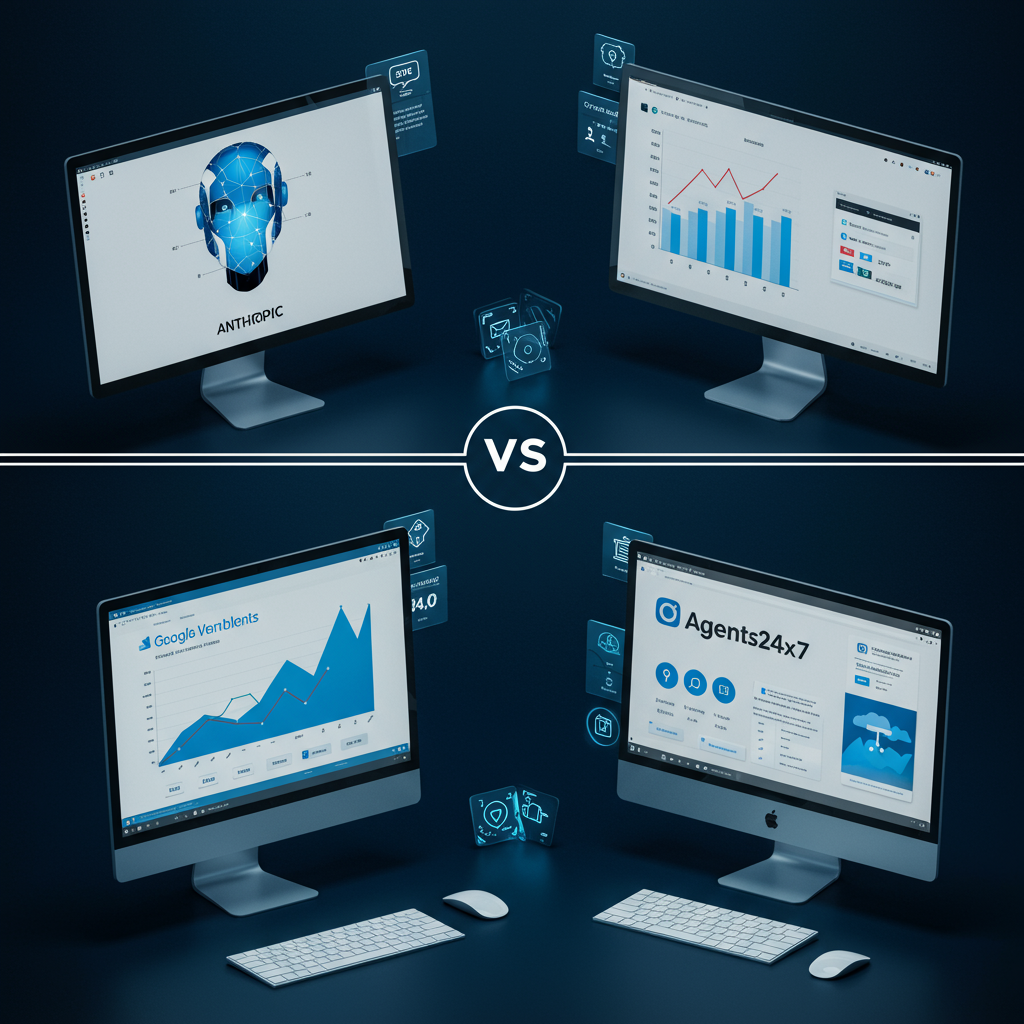
A side-by-side comparison scene showing two AI agents platforms for SMEs, one representing Agents24x7 with calendar and task automation features, and the other representing OpenAI with flexible AI solutions, highlighting productivity and workflow automation

When evaluating Agents24x7 vs OpenAI for SMEs, several key differences emerge. Agents24x7 excels in AI calendar integration and task management automation, providing SMEs with a turnkey solution for workflow automation. In contrast, OpenAI offers greater flexibility and customisation, but may require more technical expertise to implement similar features. Furthermore, Agents24x7’s user-friendly interface and automated notifications make it easier for SMEs to manage virtual employees and ensure tasks are completed on time. However, OpenAI’s platform is ideal for businesses seeking bespoke AI solutions that can be tailored to specific operational needs.

For real-world insights on how SMEs benefit from Agents24x7, read Agents24x7 SME Success: Real AI Agent Stories. This article showcases practical examples of workflow automation and productivity gains.

How AI Task Management Automation Enhances SME Productivity

AI task management automation transforms SME productivity by reducing manual workload, minimising errors, and enabling employees to focus on high-value activities. Features like calendar integration, task scheduling, and automated notifications ensure that operations run smoothly and deadlines are consistently met. For instance, Agents24x7’s automated task execution and real-time updates empower teams to stay organised and proactive. Similarly, OpenAI’s adaptable agents can be programmed for complex task management, although this often requires additional configuration. Ultimately, both platforms demonstrate how AI agents for SMEs can drive efficiency and business growth.

To learn more about AI-driven workflow automation in specific industries, explore How AI Agents Transform E-Commerce Workflows. This resource details how AI agents streamline operations in online retail environments.

Implementing Workflow Automation with AI Agents

SMEs looking to implement workflow automation should start by identifying repetitive tasks and processes that can be delegated to AI agents. Best practices include integrating AI agents with existing business tools, setting clear objectives, and continuously monitoring performance. Agents24x7 makes this process straightforward with its plug-and-play features and robust support for AI calendar integration. Conversely, OpenAI’s solutions may require more technical setup but offer unparalleled flexibility for custom workflows. By managing virtual employees effectively and leveraging AI task management automation, SMEs can maximise productivity and stay ahead of the competition.

Conclusion: Agents24x7 vs OpenAI – Which AI Agent Is Right for Your SME?

In conclusion, Agents24x7 AI agents deliver specialised task management and seamless calendar integration, making them highly effective virtual employees for SMEs. While OpenAI provides a flexible framework for building custom AI agents, Agents24x7’s focus on workflow automation and scheduling offers unique productivity advantages. SMEs can leverage these AI solutions to streamline operations, automate routine tasks, and enhance overall efficiency. As the demand for AI agents for SMEs continues to grow, choosing the right platform will be crucial for long-term success and competitiveness.